Studies Show Conflicting Results on Mammograms after Fat Transfer
April 13, 2011 - Rhys Branman, MD We recently blogged about a study that concluded that fat transfer for breast augmentation doesn’t interfere with mammograms. However, a new study about the subject came to a different conclusion. The latest study found that the fat transfer breast augmentation procedure — in which fat from other parts of the body is transferred to the breasts — can cause false suspicion of breast cancer on follow-up mammograms. According to the study by Dr. Cong-Feng Wang of Meitan General Hospital in Beijing, mammographic changes occurring after fat injection are indistinguishable from abnormalities associated with breast cancer. Based on this "mammographic confusion," the...
 Would You Trade Years for Your Ideal Body?
April 7, 2011 - Rhys Branman, MD Some women say they are willing to sacrifice years off their lives if that meant they could have their ideal body. A new survey showed that 16 percent would trade 1 year of their life and 10 percent would trade 2 to 5 years of their life to achieve their ideal body weight and shape. The survey of 320 women (average age of 24 years) was conducted at 20 British universities and also found that many participants would consider cosmetic surgery. Almost 40 percent of the women surveyed reported that if money wasn't a concern they would have cosmetic surgery to alter...
 Fat Grafting for Augmentation Does Not Interfere with Mammograms
March 28, 2011 - Rhys Branman, MD
Successful breast augmentations have been done using a patients’ own fat through a process called fat grafting, as we’ve previously reported on the blog. Now a new study gives some reassurance of the safety of fat transfer for breast augmentation by concluding that the procedure doesn’t interfere with mammograms. "Radiographic follow-up of breasts treated with fat grafting is not problematic and should not be a hindrance to the procedure," concludes the study, led by Dr. Michaël Veber, of University of Lyon-Léon Bérard Cancer Center, France. The fat grafting procedure is done by taking small amounts of fat from one part... Study Finds Those with Nasal Deviation More Prone to Depression
March 18, 2011 - Rhys Branman, MD Two of the main reasons patients choose rhinoplasty is to change the shape of their nose for cosmetic reasons or to help relieve nasal obstructions. Nasal obstructions are a result of nasal deviation, which is when the nasal septum is not in the midline of the nose. The deviation of the septum can be present at birth (congenital) or be a result of injury. In addition to causing impairment in nasal function, the deviation can also affect quality of life. A new study published in Plastic and Reconstructive Surgery journal examined quality of life, self-esteem and depression in patients with...
 Eating Right May Help with Healing after Cosmetic Surgery
March 12, 2011 - Rhys Branman, MD Researchers from Brazil asked 60 women (age 25-60) undergoing cosmetic abdominal surgery to eat six servings each of fruits and vegetables a day during the first month after surgery to see if increasing fruit and vegetable consumption after cosmetic surgery could help the healing process by reducing C-reactive protein, a marker of inflammation and infection. According to the researchers, “fruits and vegetables are attractive tools for the combat of inflammation because of their rich endowment of anti-inflammatory vitamins.” Patients started the diet three days after surgery and continued it for four weeks afterward; interviews were held the second and third...
 Women Share their Breast Procedures with TODAY Show
March 10, 2011 - Rhys Branman, MDEthnic Differences in Cosmetic Surgery
February 23, 2011 - Rhys Branman, MD Different nationalities are choosing cosmetic surgery that is “tailored to their cultural preferences and ideals of beauty,” according to a New York Times article that finds there are procedure trends within different ethnic groups. “When a patient comes in from a certain ethnic background and of a certain age, we know what they’re going to be looking for. We are sort of amateur sociologists,” said Dr. Kaveh Alizadeh, of Long Island Plastic Surgical Group. Here are a few of the ethnic trends doctors interviewed for the story reported seeing: Egyptians are getting face lifts. Iranians favor nose jobs. Dominicans are...
 A Rise in Cosmetic Surgery May Be a Signal of Economic Recovery
February 17, 2011 - Rhys Branman, MD The recent release of statistics that showed that cosmetic procedures, including those that are non-surgical and surgical, were up by 5% in 2010 compared to 2009 excited more than just the cosmetic surgery industry. Many on Wall Street are speculating that when cosmetic surgery is on the rise, it could signal the economy on a whole is as well. MSN Money noted that the new statistics, released by the American Society of Plastic Surgeons, are "yet one more indication that the economy is on the mend.” Reuters reported that “while nose jobs and breast augmentations may never replace U.S. unemployment...
 Mom Gets Her Pre-baby Body Back with Cosmetic Surgeries
February 12, 2011 - Rhys Branman, MD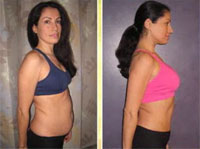 Many moms struggle with the same problem areas on their bodies — areas like the breast and stomach that they can’t get back to their pre-pregnancy look even with diet and exercise. Fatma Rice, mother of a five year old, told the Today Show how she got her body back with cosmetic surgery. Known as “mommy makeovers,” the term refers to moms who undergo multiple cosmetic surgery procedures to restore or improve their post-pregnancy bodies. Rice told her story, which many moms can related to: before pregnancy she was fit and happy with her body. "I worked out a lot...