Data Highlights Safety of Transumbilical Breast Augmentation (TUBA)
May 18, 2011 - Rhys Branman, MD During your consultation for a breast augmentation, there are several choices you'll discuss with your surgeon. These include implant size, implant type (saline or silicone) and where your surgeon will make the incision. The incision can be made in the following places: the crease of the lower part of the breast along the lower half of the areola in the armpit through the belly button When the incision is made through the belly button, it is called a transumbilical breast augmentation (TUBA). Because the incisions are hidden in the navel, it is also sometimes referred to as scarless breast augmentation. According to...
  When a woman’s breasts differ in size and/or shape, it is known as breast asymmetry. While sometimes obvious, often women are unaware of a slight asymmetry of their own breasts, and breast asymmetry is fairly common. If a woman with breast asymmetry is considering a breast augmentation, she should be aware that the asymmetry may be more noticeable after an augmentation. Therefore it’s crucial for surgeons to evaluate the components that contribute to breast asymmetry, according to those who participated in a panel on the subject at the recent annual meeting of the American Society for Aesthetic Plastic Surgery. “It is important for...
  An FDA panel has recommended that the FDA expand the approved use of Restylane® to include lip enhancement. It's currently approved to treat facial wrinkles and folds — such as the nasolabial folds on the sides of the mouth. The FDA will make the final decision on Restylane® for lip augmentation, but it usually follows the advice of its advisory panels. If the FDA does expand its use, Restylane® can be marketed for the lip procedure. FDA approval would make Restylane® the first hyaluronic acid dermal filler in the U.S. indicated for use in the lips. Restylane® was the first hyaluronic...
 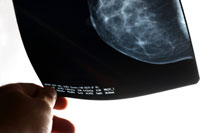 We recently blogged about a study that concluded that fat transfer for breast augmentation doesn’t interfere with mammograms. However, a new study about the subject came to a different conclusion. The latest study found that the fat transfer breast augmentation procedure — in which fat from other parts of the body is transferred to the breasts — can cause false suspicion of breast cancer on follow-up mammograms. According to the study by Dr. Cong-Feng Wang of Meitan General Hospital in Beijing, mammographic changes occurring after fat injection are indistinguishable from abnormalities associated with breast cancer. Based on this "mammographic confusion," the...
  Some women say they are willing to sacrifice years off their lives if that meant they could have their ideal body. A new survey showed that 16 percent would trade 1 year of their life and 10 percent would trade 2 to 5 years of their life to achieve their ideal body weight and shape. The survey of 320 women (average age of 24 years) was conducted at 20 British universities and also found that many participants would consider cosmetic surgery. Almost 40 percent of the women surveyed reported that if money wasn't a concern they would have cosmetic surgery to alter...
  Two of the main reasons patients choose rhinoplasty is to change the shape of their nose for cosmetic reasons or to help relieve nasal obstructions. Nasal obstructions are a result of nasal deviation, which is when the nasal septum is not in the midline of the nose. The deviation of the septum can be present at birth (congenital) or be a result of injury. In addition to causing impairment in nasal function, the deviation can also affect quality of life. A new study published in Plastic and Reconstructive Surgery journal examined quality of life, self-esteem and depression in patients with...
  Researchers from Brazil asked 60 women (age 25-60) undergoing cosmetic abdominal surgery to eat six servings each of fruits and vegetables a day during the first month after surgery to see if increasing fruit and vegetable consumption after cosmetic surgery could help the healing process by reducing C-reactive protein, a marker of inflammation and infection. According to the researchers, “fruits and vegetables are attractive tools for the combat of inflammation because of their rich endowment of anti-inflammatory vitamins.” Patients started the diet three days after surgery and continued it for four weeks afterward; interviews were held the second and third...