Breast Lift (Mastopexy)
At some point, every woman deals with sagging breasts, and after pregnancy, this concern can become more pronounced. But just because it’s common doesn’t mean you have to live with breasts that you are unhappy with. Breast lift surgery with top Little Rock cosmetic surgeon Dr. Rhys Branman can help you restore a more youthful, aesthetically pleasing breast contour.
The benefits of breast lift surgery go beyond aesthetics. With firmer, better-positioned breasts, bras will fit more comfortably, finding figure-flattering swimsuits can be much easier. And when you feel more confident in your appearance, you may find this enhances your life in many other ways.

Is a Breast Lift Right for you?
The decision to have a breast lift is personal, and women in Little Rock have this surgery for a variety of reasons. Many undergo a breast lift because pregnancy and nursing has taken its toll. Others have always been bothered by sagging breasts, and wish to improve their comfort and self-confidence.
Breast Augmentation vs Breast Lift: Which one is best for me?
In general, a breast lift is ideal for women who are happy with the size of their breasts but unhappy with the shape and position. For those who have lost volume or who want to increase their natural breast size while also correcting sagging, a breast augmentation with lift (breast lift with implants) can achieve this goal.
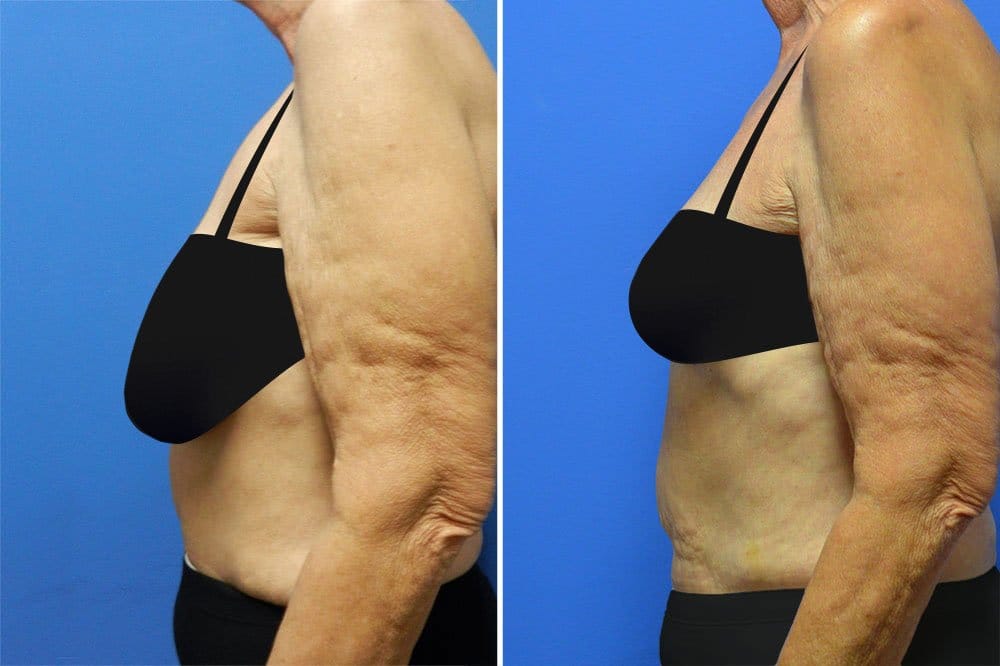

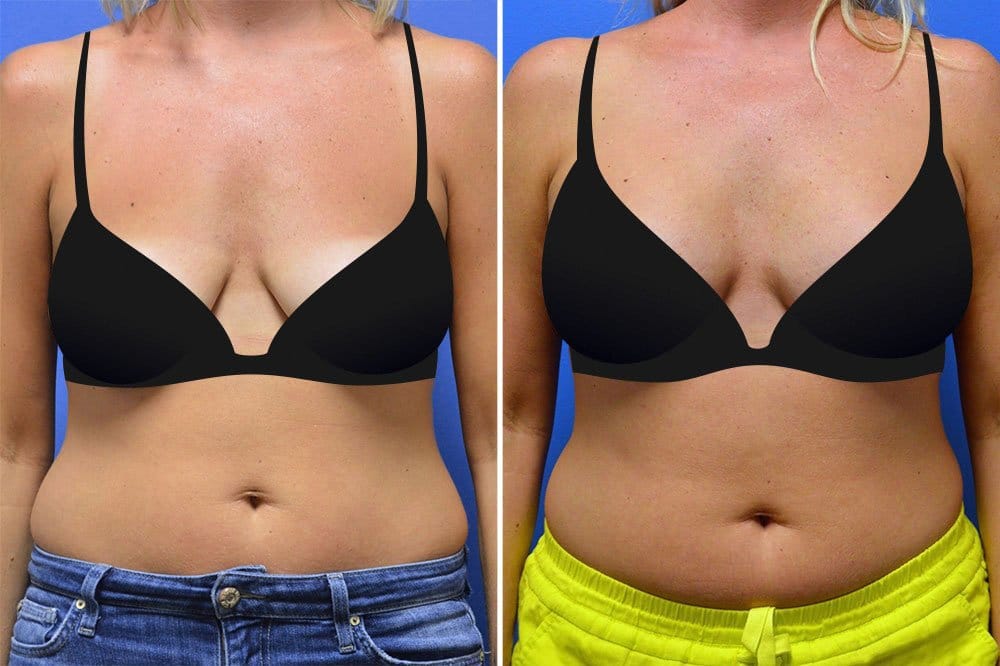
“Dr. Branman is an artist when it comes to breast augmentation. The scars are almost faded already and my breasts are so perky and youthful. I feel feminine and pretty in a swim top, and I love my new breasts as if I’d had them my whole life. They are proportionate and balanced in every way. I feel like I went to the best cosmetic breast augmentation surgery center in the state.“
Your Breast Lift Consultation with Dr. Branman
During a consultation, Dr. Branman will examine and evaluate your breasts to determine if surgery can make an improvement. He will discuss with you the various factors that can affect your results, such as your age, breast size, breast shape, and skin tone. Another topic to discuss is whether breast augmentation at the same time as a breast lift is a good option for you.
If breast lift surgery is an option and you wish to proceed, you may be advised to get a mammogram. Dr. Branman will also provide specific instructions on surgery preparation, including guidelines on eating, drinking, smoking, and taking or avoiding certain vitamins and medications.
Are you a candidate for a Breast Lift?
In this video, Dr. Rhys Branman joins Good Morning Arkansas to discuss the advantages of combining a breast lift with augmentation and to help determine who’s a good candidate for one or the other.
Video transcript »
This is Channel 7 News – Good Morning Arkansas
First up, Dr. Rhys Branman is here on the show to discuss the advantages of combining a breast lift with augmentation and to help determine who’s a good candidate for one or the other. It’s a fascinating topic, and he’ll have all the latest information, so if you’ve been considering these options, Dr. Rhys is up first on our show today. After this short break, we’ll be sharing the advantages of combining a breast lift and augmentation into one surgery—stay with us!
Welcome Back!
Dr. Rhys Branman is here to tell us more about the benefits of combining a breast lift and augmentation into a single surgery. Good morning, Dr. Rhys!
Dr. Branman:
Good morning!
Host:
You’re with the Cosmetic Surgery Center, and this is something people are really interested in. So, is combining a breast lift and augmentation a new approach?
Dr. Branman:
Well, breast lifts and augmentations have both been around for a long time, but combining them in one procedure is relatively new. Traditionally, these were done as two separate procedures. Many doctors were initially reluctant to combine them because it was challenging to control the implant’s positioning and to fully understand how best to perform both steps in one surgery. But now, with improved techniques, we’re seeing excellent results from doing them together.
Host:
Why might a woman choose just a breast lift instead of augmentation?
Dr. Branman:
Most women seek a breast lift after losing volume due to childbirth, weight loss, or simply with age, as the breast naturally loses volume and sags over time. A breast lift moves the nipple and areola to a higher, more youthful position. When combined with augmentation, we add fullness to the upper pole of the breast, where women often lose volume. The result is a fuller, lifted look that restores both shape and position.
Host:
Tell us more about the combined procedure. Is the recovery period longer?
Dr. Branman:
No, actually, it’s the same as for a standard augmentation. You’re getting both procedures done in a single surgery under one anesthesia session, which allows us to control the results very precisely. Plus, it’s only one healing period, with no additional downtime compared to doing them separately.
Host:
So, for women thinking about this, what are the main advantages of combining the procedures?
Dr. Branman:
The primary advantage is a single recovery period. You’re combining both procedures, so there’s only one surgery, one anesthesia, and one period of healing. This streamlines the process and gives patients a complete result with less overall downtime.
Host:
Do you look for certain characteristics in a patient to decide if they’re a good candidate for one or both procedures?
Dr. Branman:
Yes, let me demonstrate. If a woman’s nipple-areola complex sits low on the breast, that’s generally a sign that a lift is needed. A lift alone will raise the nipple but won’t add fullness to the upper part of the breast, which some women want. By combining a lift with an implant, we achieve that upper-pole fullness and a more youthful contour.
Host:
I imagine technology has also helped improve this process over the years.
Dr. Branman:
Absolutely. We now perform what’s called a vertical mastopexy, which minimizes scarring. We no longer need the traditional large anchor incision, so the result is a very natural, lifted look with less visible scarring.
Host:
I understand there’s a special going on through the spring?
Dr. Branman:
Yes, we’re calling it “The Breast Special Ever”—a little corny, but it’s been popular! It’s $3,900 for saline implants and $4,900 for silicone implants. Both saline and silicone can be used with this combined procedure, but silicone is often chosen because it offers a softer, more natural feel that’s gentle on healing tissues.
Host:
And it’s still just one recovery period, correct?
Dr. Branman:
Yes, just one recovery period, with no more discomfort or time off work than if you did each procedure separately. With our rapid recovery approach, many patients are up and moving around the same day, and back to work by the second or third day. Typically, patients can return to basic activities within three to five days.
Host:
Great information! For those interested in a consultation with Dr. Branman, you can contact him at the Cosmetic Surgery Center on Executive Center Drive in Little Rock. Call 227-0707 to schedule an appointment, or visit littlerockcosmeticsurgery.com for more details. And don’t forget to ask about “The Breast Special Ever”! Dr. Branman, thanks so much for joining us today.
Dr. Branman:
Thank you, and have a great rest of your morning!
About Breast Lift Surgery with Dr. Branman
A breast lift is usually performed under general anesthesia on an outpatient basis, at our accredited surgical facility. The operation usually requires about 2-3 hours time.
During breast lift surgery, excess skin is removed from around the areola and the bottom of the breast, to tighten and lift the breast and nipple into a more attractive position. The nipple and areola are often moved to a higher position, typically in a location that is even with the breast crease.
Breast lift incision techniques
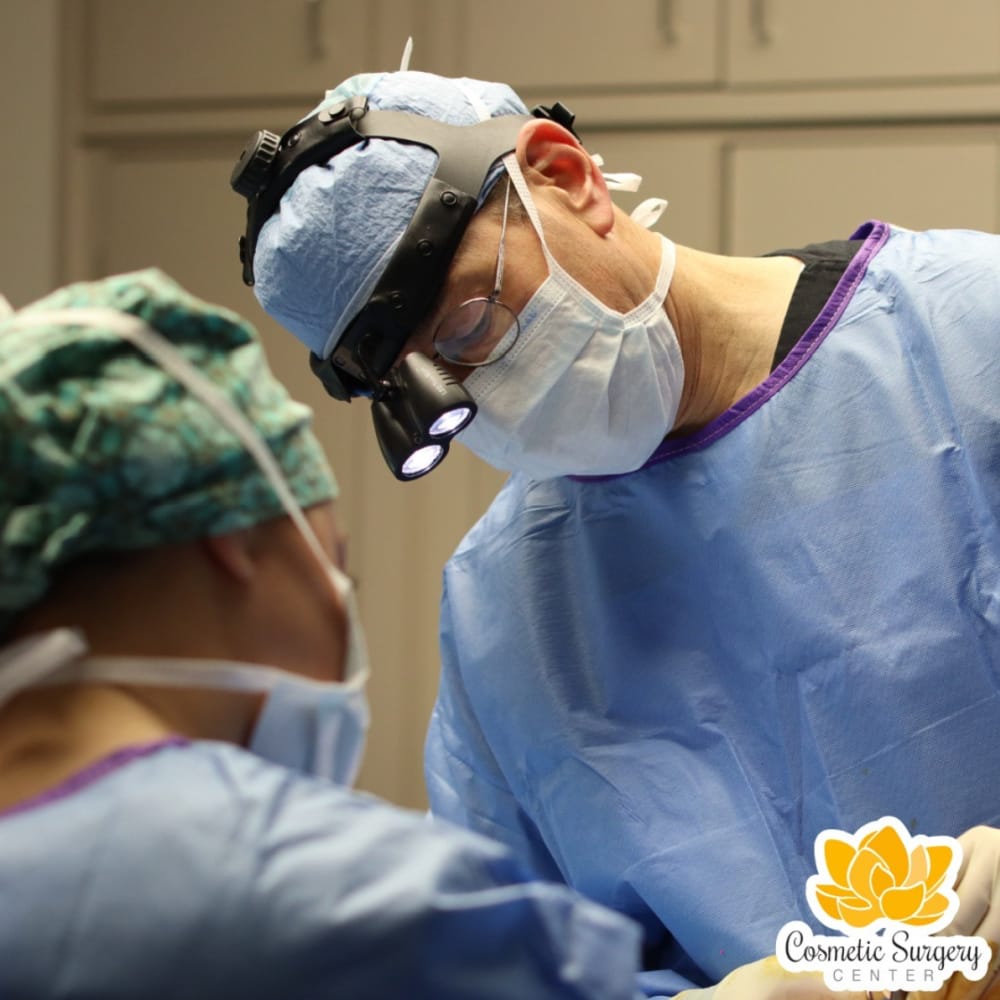
A number of different techniques can be used to perform a breast lift. The proper technique is largely dependent on how much your breasts are sagging. When determining what technique is best for you, Dr. Branman considers what will achieve the best aesthetic improvement with the smallest scar and the least amount of risk.
Anchor-shaped incision technique
An anchor-shaped incision is the most common technique, which follows the natural contour of the breast. The incision outlines an area from which skin will be removed and defines the new location for the nipple. Skin is removed, the nipple is repositioned, and the breast is reshaped. Sutures are usually located around the areola, in a vertical line extending downwards from the nipple area and along the breast crease.
Peri-areolar (donut) technique
A peri-areolar (or donut) mastopexy technique may be utilized for patients with relatively small breasts and a minimal degree of sagging. This technique allows for smaller incisions around the areola.
There are other modified breast lift techniques that can be used as well. Dr. Branman will go over all of your options at your consultation.
Recovery after breast lift surgery
After the surgery is complete, you’ll be given an elastic bandage or special bra to wear over the gauze dressings. Bruising and swelling should be expected for the first few days. Dr. Branman will prescribe pain medication to help alleviate discomfort. Stitches are removed after about 1 week.
After a short recovery period, your bandages or surgical bra will be replaced by a soft support bra, which must be worn for 3-4 weeks. Due to the swelling after surgery, patients should expect some temporary loss of feeling in the nipples and breast skin. Normal sensation typically returns over the next 6 weeks. In some patients, numbness can last a year or longer.
Frequently Asked Questions about Breast Lifts
Learn more about our breast lift process
In this video, our registered nurse walks you through the breast lift process – from prepping for surgery through your full recovery. For more information about surgical procedures at our surgery center, please watch our general surgery video here.
Video transcript »
Hey y’all, it’s April, registered nurse here again. Just a reminder to go back and watch the general surgery video if you haven’t yet—it has essential information for any surgery here. Today, we’re going over a mastopexy, or breast lift.
The items you’ll need at home include your prescribed medications, which you’ll receive at your pre-op. These typically include an antibiotic, pain medication, nausea medication, and possibly Flexeril for muscle spasms. You’ll also receive Sinec, a homeopathic Arnica medication that helps with bruising and swelling after surgery. Take a pre-op dose with dinner the night before surgery, a post-op dose after surgery, and another dose at bedtime. After that, you’ll take it three times a day. Make sure to fully complete the Sinec and antibiotic courses.
If you’re 35 or older, you’ll need a mammogram before surgery, along with lab work (CBC, CMP, PT with INR) for general anesthesia. Have hydrogen peroxide and distilled water ready to clean your incision sites; we’ll let you know when to start at your post-op appointment. Please avoid using lotion on the morning of surgery, as Dr. Branman will need to mark your breasts, and we don’t want the markings to come off. Wear a loose, button-up or zip-up top that’s easy to put on after surgery. You’ll also be in a post-operative bra for about four weeks.
If you live more than 30 minutes away, bring a pain pill and nausea medication with you on the day of surgery, just in case you need them for the ride home.
After surgery, you’ll restart your antibiotic and Sinec with a light meal to avoid nausea. For the first two days, sleep in a semi-sitting position—either propped up on pillows in bed or in a recliner. You’ll come back for a follow-up the next day so we can check everything. If you’re traveling from far away, you may want to book a hotel nearby.
After that first follow-up, you can shower. Let water trickle down your breasts instead of standing directly under the shower head, especially if you have hard water pressure. You’ll have white tape on your breasts, shaped around your nipple with a line down the center. This tape should stay on until we remove it, usually around one to two weeks after surgery. If it starts to come off, use a blow dryer on the cool setting to pat it down, or call us if it needs replacing. Never use heat on the blow dryer, as you may be numb in that area.
You’ll be wearing a surgical bra at all times for about a month. After your incisions heal, you can start using scar treatments like Vitamin E or SkinMedica’s scar gel, which we have available. Avoid any strenuous activity for four weeks, including lifting, pushing, pulling, or straining. For the first week, don’t lift anything over 10 pounds, and for the next three weeks, avoid lifting over 20 pounds. Discontinue exercise, weightlifting, or running until after four weeks.
If you experience significant pain in one breast with swelling around the collarbone or dark purple bruising, call us immediately. For those who also received implants, the bottom of the breast might appear irregular or flat at first but will gradually settle. Avoid sun exposure to the incision sites for 12 months to prevent hyperpigmentation. Continue your monthly self-breast exams, and inform the technician of your breast surgery at your next mammogram.
No underwire bras during recovery—only wear the surgical bra we provide. You can resume driving about 72 hours after surgery or 24 hours after your last pain pill. Don’t drive while taking pain medication.
Though you’ve had a breast lift, it’s still important to wear a bra regularly to maintain support, and wearing a sleep bra can help prevent sagging over time. It may take six months to a year for your breasts to fully settle into their final shape.
For lifts with implants, remember not to breastfeed for six months after surgery. All tissue removed during the procedure will be sent to pathology to ensure it’s free of any cancerous cells.
Avoid tub baths, lakes, pools, or oceans for four to six weeks; stick to showers only. That’s about it! We look forward to seeing you at your pre-op. If you have any questions, jot them down, and we’ll be happy to answer them. Thanks, guys!
“Dr. Branman and his staff are absolutely wonderful. They all made me feel so comfortable and always willing to answer any questions or concerns I had. I am extremely pleased with the post surgery results of my breast augmentation surgery. I am thankful I chose to come here instead of somewhere else. I would highly recommend Dr. Branman for any cosmetic needs.”

Board certified cosmetic surgeon Dr. Rhys L. Branman has over 30 years of excellence in cosmetic surgery. Dr. Branman’s bedside manner, attention to detail, extensive training, and significant experience in breast aesthetics has helped him deliver the best results to hundreds of Little Rock breast lift patients. If you have questions or would like to learn more about your options for lifting and reshaping your breasts, Dr. Branman and the entire Cosmetic Surgery Center team are here to help. Contact us to schedule a consultation with Dr. Branman at our Little Rock Cosmetic Surgery office.
- Key Benefits
- Glossary
- Improved Breast Shape: A breast lift can significantly enhance the shape and contour of the breasts, making them appear firmer, more youthful, and better proportioned to the body.
- Corrected Sagging (Ptosis): By lifting and repositioning the breasts, a breast lift effectively addresses sagging, elevating the breasts to a more natural and youthful position.
- Enhanced Nipple and Areola Position: A breast lift can reposition the nipples and areolas to a more central, natural-looking location on the breast. Dr. Branman can also resize the areolas for better symmetry and balance with the overall breast shape.
- Anesthesia: Medication used to prevent pain during surgery, typically general anesthesia for a breast lift.
- Areola: The pigmented area surrounding the nipple, often resized or repositioned during a breast lift.
- Asymmetry: A difference in size, shape, or position between the two breasts, which a breast lift can help correct.
- Breast Ptosis: The medical term for sagging breasts, which a breast lift aims to correct.
- Consultation: The initial meeting with the surgeon to discuss the goals, options, and process of the breast lift.
- Excess Skin: The skin removed during a breast lift to create a firmer, more youthful breast contour.
- Glandular Tissue: The breast tissue that may be repositioned during a lift to enhance breast shape.
- Incision: The surgical cut made to lift and reshape the breast during the procedure.
- Inverted T Scar: A common scar pattern from a breast lift, shaped like an anchor or inverted T, often used for significant lifts.
- Lollipop Scar: A scar pattern that circles the areola and extends down vertically to the breast crease, often used for moderate lifts.
- Mastopexy: The medical term for a breast lift procedure.
- Nipple Repositioning: The process of moving the nipple and areola to a higher position on the breast during a lift for a more youthful appearance.
- Overcorrection: Lifting the breasts higher than intended, which may occur and require revision.
- Ptosis: A medical term referring to the sagging or drooping of the breast, corrected by a breast lift.
- Reshaping: The process of contouring the remaining breast tissue during a lift to create a more natural shape.
- Scarring: Marks left on the skin after surgical incisions heal, often fading over time but varying in visibility based on the incision pattern used.
- Skin Laxity: The looseness of the skin, which contributes to sagging breasts and is addressed during a breast lift.
- Sutures: Stitches used to close incisions after a breast lift surgery.
- Volume: The size or fullness of the breast, which may be preserved or enhanced during a lift by repositioning tissue.
- Vertical Scar: A scar that extends vertically from the areola to the breast crease, often part of the lollipop or inverted T scar patterns.