Tummy Tuck (Abdominoplasty)
Little Rock tummy tuck specialist Dr. Rhys Branman can help you restore a smooth, firm abdomen
Trying to put on a form-flattering swimsuit from 10 years ago doesn’t always work out as planned—particularly if you’ve had kids, lost or gained weight, or have just noticed that exercise isn’t keeping you as trim and toned as once before. We’ve all been there, and Little Rock cosmetic surgeon Dr. Rhys Branman knows how hard it can be to feel your best when excess fat and sagging skin on your stomach have you constantly covering up.
Before & After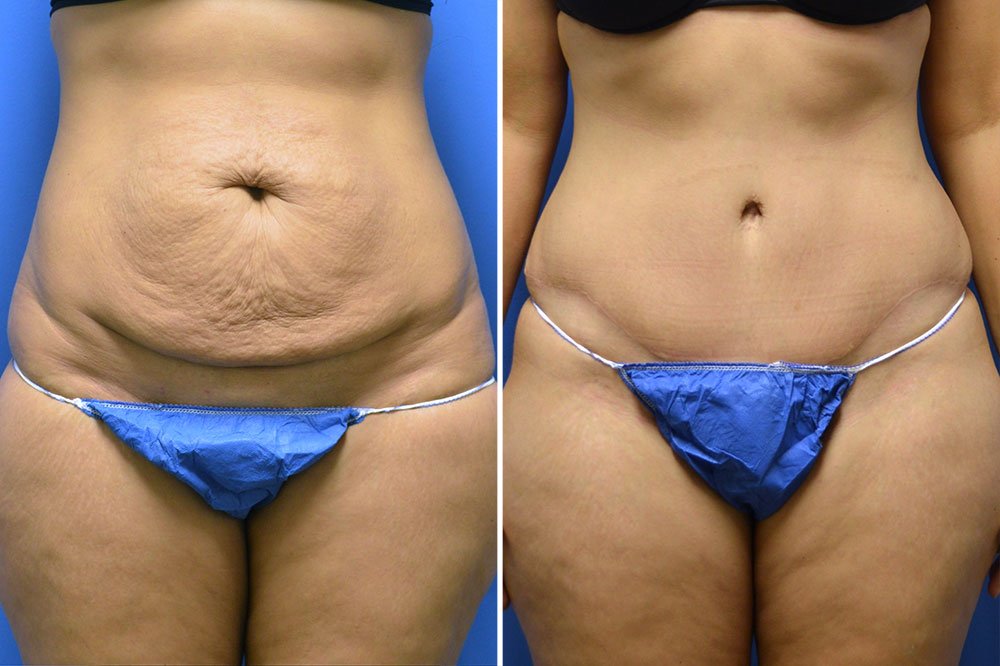
Dr. Branman has decades of experience working with patients who have concerns just like you, who are now thrilled with the dramatic improvements that tummy tuck surgery achieved for their appearance, comfort, and self-confidence. A tummy tuck in Little Rock, also known as abdominoplasty, is the most effective way to remove excess skin and persistent fat and repair separated abdominal muscles so you can feel comfortable and confident no matter what you’re wearing.
Why consider a tummy tuck?
Tummy tuck surgery is one of the most popular body contouring procedures in the United States, and 96% of patients think it’s worth the cost, surgery, and recovery period. To see why patients everywhere are thrilled with their decision to undergo tummy tuck surgery, read some of our patient testimonials and consider these facts:
- Abdominoplasty is the only way to dramatically improve the appearance of sagging skin on the lower stomach. Once the structure and integrity of your skin are impacted by weight gain, pregnancy, or the natural aging process, it cannot be firmed by diet and exercise alone.
- If you’ve gone through pregnancy and childbirth, you know it can feel impossible to tone this area of the body, no matter how much exercise you do. That’s because pregnancy can lead to a permanent and often painful separation of the abdominal muscles, and core exercises will only take you so far. These muscles can only be repaired through surgery.
- Tummy tuck surgery can improve the overall appearance of your abdomen—including reducing the appearance and quantity of stretch marks.
Tummy tuck surgery is all about helping you look and feel your very best, and choosing to undergo this kind of procedure is a highly personal decision. That’s why Dr. Branman will work closely with you every step of the way, ensuring you feel comfortable, confident, and well-informed as you plan your procedure. For example, many patients who have undergone childbirth or massive weight loss may choose to add breast surgery to their custom “mommy makeover” surgical plan to address sagging, stretched, or a deflated appearance with breast augmentation, breast reduction, or breast lift (mastopexy).

Am I a good tummy tuck candidate?
It’s important to consult with an experienced surgeon to determine if a tummy tuck is the right option for you. Typically, the best candidates for tummy tuck surgery are in general good health, at a stable weight, and would like to improve weakened muscles and excess abdominal skin. Significantly overweight patients are less ideal candidates for this procedure and may be advised to lose weight or undergo liposuction before surgery.
While tummy tucks are for both men and women, this procedure is especially beneficial for women who, through multiple pregnancies, have stretched their abdominal muscles and skin beyond the point where they can return to normal. The surgery does produce a permanent scar that can extend across the hips, but scars are easily hidden and most patients are willing to accept them in order to attain a flatter stomach.
During your consultation, Dr. Branman will evaluate your particular condition and advise you as to whether you are a good tummy tuck candidate.
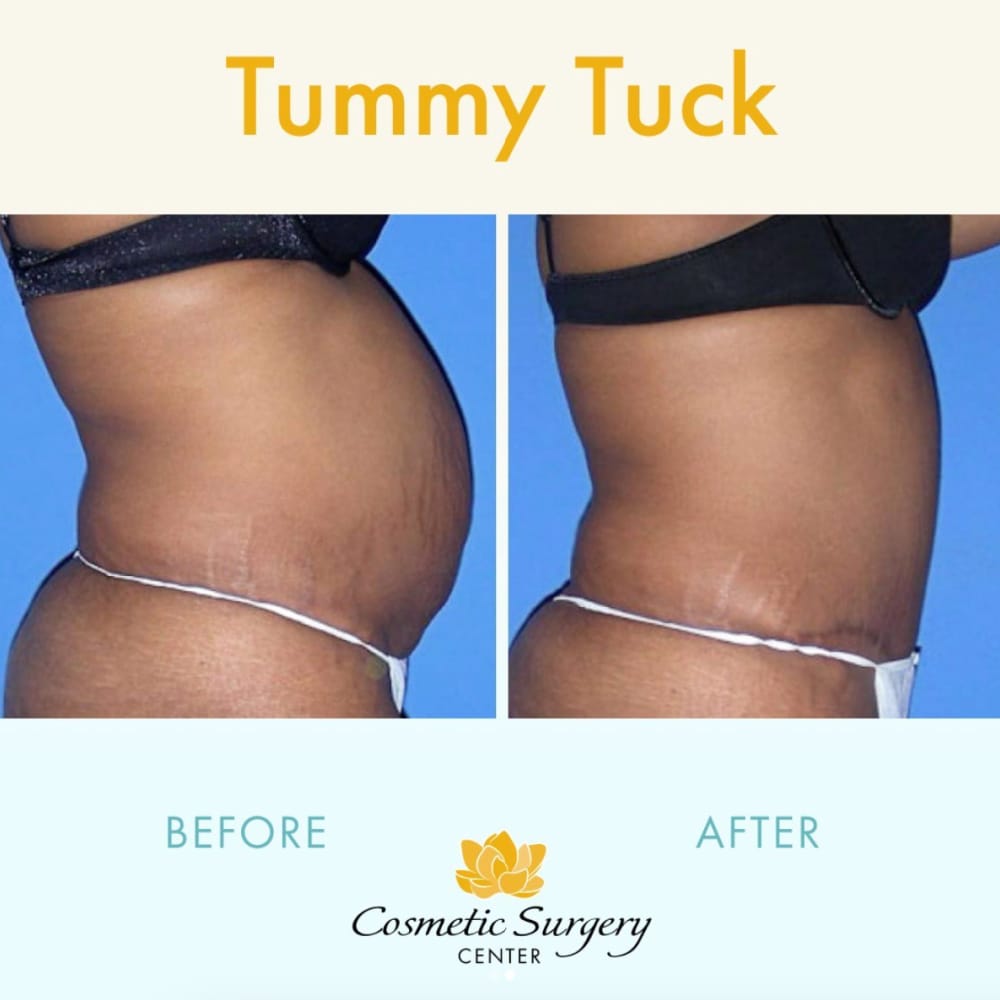

“Dr. Branman did an excellent job on my tummy tuck. I have had so many compliments and my belly button looks fantastic. He and his staff work together to get you the outcome that you envisioned.”
How much does a tummy tuck cost in Little Rock?
In Little Rock, Arkansas, tummy tuck prices can range greatly depending on the extent of the procedure. Some patients opt for a mini-tummy tuck (skin removal and tightening alone); others require an extended abdominoplasty, which involves extensive muscle repair and torso reshaping.
At your personal consultation, we will provide you with a personalized, detailed price quote that includes the full cost of having your procedure with Dr. Branman. We can also discuss financing options, if you like.
Before & After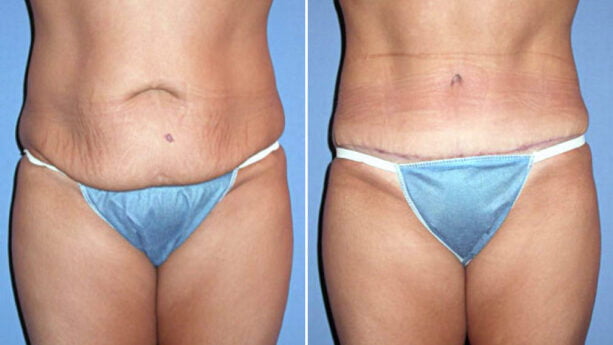
Tummy tuck in Little Rock with Dr. Branman: What to expect
In this video, our registered nurse explains the full Little Rock abdominoplasty process, including how to prep, what to expect, and how to recover after a tummy tuck at Cosmetic Surgery Center with Dr. Branman.
Video transcript »
Hey guys, April Gring, registered nurse here again, coming to talk to you about one of our favorite surgeries—an abdominoplasty, or tummy tuck. The items you’ll need at home are your prescription medications. You’ll receive prescriptions for an antibiotic, nausea medication, pain medication, and a Lovenox shot, which you’ll bring with you to surgery and we’ll administer there. You’ll also get Arnica medication; this homeopathic Arnica helps with bruising and swelling after surgery. You’ll take a pre-op dose the night before surgery, a post-op dose when you get home, and another at bedtime. Then you’ll continue taking it three times a day. Your pharmacist should label the instructions on the bottle, and you’ll take your antibiotic the night before surgery, as well.
You’ll also need Q-tips, hydrogen peroxide, and distilled water to clean your incision sites. You’ll want Johnson & Johnson surgical dressing pads, or even feminine maxi pads work fine. It’s also helpful to have a laxative or stool softener on hand, or start taking one a few days before surgery to help with constipation from anesthesia and pain meds. If you’re traveling from out of town or prone to nausea, bring one pain pill and one nausea medication with you on the day of surgery in case you need it on the way home.
Please shave your upper pubic area the night before surgery so we don’t have to do it in the OR. Avoid using any lotion on the surgical area, as it can interfere with the surgical markings.
Now, let’s talk about the procedure itself. The main goals of an abdominoplasty are to remove the excess tissue in the lower abdomen and tighten the underlying muscles. Your belly button will be repositioned, and you’ll have a scar running from hip to hip just above the pubic area.
Post-op care is important. If you experience any profuse bleeding from the incision, give us a call. Bruising is normal, especially if liposuction was performed around the waist or flanks, and should fade within three to six weeks. If you’ve had a C-section, you’ll find that forceful coughing or sneezing can be uncomfortable—try to suppress it if possible for seven to ten days, and hold a pillow against your abdomen if you need to cough or sneeze.
For discomfort, you’ll likely receive Exparel, a long-lasting bupivacaine injection that helps manage pain for up to 72 hours. After surgery, avoid stretching or standing fully upright for the first two to three weeks. Most people find it comfortable to sleep in a “beach chair” position with a pillow under their knees, either in a recliner or propped up in bed.
You’ll have drains on both sides of your abdomen to help with healing. Initially, the drainage may look like a blood-tinged Kool-Aid color, gradually turning straw-colored. You’ll need to track the drainage output, aiming for less than 20 milliliters in a 24-hour period, typically around five to seven days after surgery. Keep a log of drainage from each side, emptying the drains about every 12 hours when they’re halfway full. We’ll have a video to show you exactly how to empty and reset the drains.
A little oozing at the incision site is okay, but if there’s any heavy bleeding, let us know. You’ll have a transparent dressing over your belly button for the first night, which we’ll remove at your follow-up the next day. After that, gently clean the belly button with a Q-tip dipped in a mixture of hydrogen peroxide and distilled water two to four times daily.
You’ll also wear an abdominal binder until Dr. Branman gives you the okay to remove it. This provides compression to help reduce swelling. For the first few days, surgical dressing pads can help with any drainage or leaking from the incision. After your follow-up appointment, you can start showering, but avoid baths or submerging in water for six weeks. Have someone assist you for your first shower, as you might feel lightheaded. Using a lanyard or rack in the shower to hold your drains can also be helpful.
If the tape over your incision starts to come loose, you can gently pat it dry and use a cool hair dryer setting to help it re-adhere. Avoid any heat settings, as you may have temporary numbness in the area.
Swelling typically peaks around 72 hours post-surgery, with about 80% of it resolving in two to six weeks, and the rest in three to six months. To minimize swelling, continue resting in a reclined position for about two weeks. Contact us immediately if you notice any severe purple swelling.
Do not drive while taking pain medication. Running a slight fever is common in the first few days; increase water intake, take Tylenol if needed (make sure you’re not doubling up on Tylenol if it’s in your pain meds), and call us if it doesn’t drop below 101.5°F.
Expect some numbness, firmness, and tenderness around the incision, which should gradually improve over several months to about two years. Avoid lifting, bending, or strenuous activity for six weeks, and no contact sports for three to four months. You can resume moderate walking after two to four weeks.
Direct sun exposure on your scar should be avoided for six to twelve months, as it can cause hyperpigmentation. You’ll have follow-up appointments about five to seven days post-surgery for drain removal, at two weeks, and additional visits as needed.
If you haven’t had a bowel movement within three days post-surgery, try a laxative, and call us if you’re still having issues. Your pre-op packet includes information on the procedure, informed consent, our accreditation, and Cynic, which helps with bruising and swelling.
Thanks for watching, and we can’t wait to see you at your pre-op. You’re going to love your results—have a great day!
Your tummy tuck surgery
Tummy tuck surgery is performed under general anesthesia in a hospital or outpatient facility. Dr. Branman first makes a very precise incision just above the pubic bone. Next, the skin is separated from the abdominal wall and the abdominal muscles are tightened. The skin flap is then stretched down and the extra skin is removed. A new hole is cut for your navel, which is then stitched in place.
Mini tummy tuck
For some patients, we can perform only a partial abdominoplasty, or mini tummy tuck, during which the skin is separated between the incision line and the navel. The flap of skin is stretched down, the excess is removed, and the flap is stitched back into place. Full tummy tuck surgery usually requires two to three hours, while partial abdominoplasty may require one to two hours.
Recovery after a tummy tuck
While there will be some soreness and discomfort after surgery, Dr. Branman will prescribe medications to alleviate discomfort. Special drains and a dressing will be in place. Strenuous activity should be avoided for 3 to 4 weeks following surgery. Tummy tuck recovery may make it difficult to stand straight at first, but you will be advised to begin walking as soon as possible. Dr. Branman will provide special post-operative instructions about caring for your incisions, drains, showering, and more.
Read about the full tummy tuck recovery timeline here »
Caring for your drains
In this video, our registered nurse walks you through the steps for emptying your drains following surgery. For more information about surgical procedures at our surgery center, please watch our general surgery video.
Video transcript »
Hey y’all, April here! Today I’m going to show you how to take care of your JP drain. Most of the time, we use these with a tummy tuck, and there will be two of them—one on the right side of your abdomen and one on the left.
The first thing you’ll need to do is empty it. To do this, unplug the top, then empty it into a little measuring cup. If you don’t have one, we can give you one, but a simple medicine measuring cup will work just fine. Make sure to note how much you’ve emptied and write that down.
To reset the drain and restore suction, you’ll want to squeeze it down tightly, keeping it compressed as you screw the lid back on. That compression is what maintains the suction, helping to pull out the extra fluid.
Another thing you should know is how to “milk” the tubing. If you see little clots or pieces of blood stuck in there, you’ll want to make sure the suction is maintained by clearing those clots. To do this, put a bit of soap between your fingers, hold the tubing near the insertion point to avoid pulling, and then squeeze down the tubing all the way to remove any clots. It’s a good idea to do this a couple of times a day, maybe after or before you drain them, especially if you notice a piece stuck.
When you’re done, you can clip the drains back onto your abdominal binder. Just remember to measure each drain at the same time, even if one seems a bit fuller than the other. This will help us get a more consistent reading.
If you ever notice the drains filling very rapidly with bright red blood and you can’t keep up with emptying them, definitely give us a call. That’s basically it—just keep up with these steps, and you’ll do great. Thanks guys!
- Key Benefits
- Glossary
- Improved Abdominal Contour: A tummy tuck removes excess skin and fat, resulting in a firmer, flatter abdomen.
- Restored Muscle Tone: By tightening the abdominal muscles, a tummy tuck can correct muscle separation (diastasis recti), leading to a stronger core, improved posture, and reduced back pain.
- Reduction of Stretch Marks: Stretch marks located on the lower abdomen may be removed along with excess skin during a tummy tuck, leading to smoother, more even skin.
Abdominoplasty
The medical term for a tummy tuck, is a surgical procedure that removes excess skin and fat from the abdomen and tightens the underlying muscles.
Anesthesia
Medication used to prevent pain during surgery, typically general anesthesia for a tummy tuck.
Abdomen (Stomach/Tummy)The area of the body between the breast and the pelvis, often addressed in tummy tucks to remove loose skin, fat, and stretch marks, as well as to tighten the abdominal muscles.
Abdominal MusclesThe muscle tissue in the tummy that can become separated or weakened due to pregnancy, significant weight changes, or having children. During an abdominoplasty, the surgeon repairs these muscles—a process known as correcting diastasis recti—to restore a flatter and firmer stomach.
BandagesProtective dressings applied over incisions after a tummy tuck or fat transfer to support healing, reduce swelling, and minimize risks of infection.
Body ContouringA category of cosmetic surgery procedures, including tummy tucks and lipo, designed to reshape and improve the contours of the abdomen, chin, double chin, breast, and other areas. Body contouring aims to enhance proportions, confidence, and overall body aesthetics.
Breast Lift (Mastopexy)A plastic surgery procedure that raises and firms the breast by removing excess skin and tightening surrounding tissue. A breast lift is sometimes performed alongside an abdominoplasty as part of a total makeover.
Belly Button Repositioning
The process of creating a new opening for the navel after excess skin is removed, ensuring it remains in a natural position.
BruisingDiscoloration of the skin that may occur after an abdominoplasty, lipo, or other surgical procedures due to incisions, fat removal, or tissue repair. Bruising typically fades as the healing process progresses.
Compression GarmentsSpecial clothing worn after abdominoplasty, liposuction, or fat transfer to reduce swelling, support incisions, help maintain the new body contouring results, improve healing, and reduce the appearance of scars.
Diastasis Recti
A condition where the abdominal muscles separate, often due to pregnancy, which can be corrected during a tummy tuck by tightening the muscles.
Drain
A small tube placed under the skin after surgery to remove excess fluids and reduce swelling.
Double ChinExcess fat or skin beneath the chin that can sometimes be addressed through liposuction or other body contouring procedures, complementing the overall aesthetic improvements of an abdominoplasty.
ExparelA specialized, long-acting local anesthetic that can be injected around incisions during tummy tuck surgery to control pain and improve healing comfort, helping reduce reliance on traditional pain medications.
Excess Skin
The loose or sagging skin that is removed during a tummy tuck to create a smoother, firmer abdominal contour.
Full Tummy Tuck
A procedure that addresses both the upper and lower abdomen, involving the removal of excess skin, fat, and tightening of the abdominal muscles.
Hematoma
A collection of blood outside of blood vessels, sometimes occurring after surgery, requiring attention if it develops.Incision: The surgical cut made during a tummy tuck, usually located low on the abdomen to minimize visible scarring.
Incision/IncisionsCarefully planned surgical cuts through the skin and underlying muscle tissue that allow the cosmetic surgeon to remove excess fat and skin and to repair abdominal muscles. Proper care of incisions, including wearing bandages and compression garments, can minimize scarring.
Liposuction
A technique often combined with a tummy tuck to remove excess fat from the abdomen and flanks, enhancing the overall contour.
Lower Body Lift
A more extensive procedure that includes a tummy tuck along with the removal of excess skin and fat from the thighs, buttocks, and hips.
Mini Tummy Tuck
A less invasive version of a tummy tuck that focuses on the area below the navel, typically involving a shorter incision and less recovery time.
Muscle Tightening
The process of suturing the abdominal muscles closer together during a tummy tuck to create a firmer, flatter abdomen.
MakeoverA combination of multiple cosmetic surgery procedures—such as a tummy tuck, breast augmentation, breast lift, and liposuction—often sought by patients who want a comprehensive transformation after weight loss or pregnancy.
MedspaA facility that offers non-surgical aesthetic treatments, such as skin resurfacing or light therapies, which can complement plastic surgery outcomes. Patients in Little Rock, Arkansas or Fayetteville, AR may visit a medspa for pre- or post-tummy tuck treatments.
Muscle TissueThe fibrous tissue that makes up the abdominal muscles. During a tummy tuck, the muscle tissue is tightened and repaired, contributing to a flatter tummy and improved core strength.
Navel (Belly Button)The scar-like depression in the abdomen that is often repositioned or reshaped during an abdominoplasty to maintain a natural-looking tummy.
NicotineA substance found in cigarettes and tobacco products that can hinder healing, cause scarring issues, and increase risks associated with tummy tucks. Patients are advised to “ditch nicotine” before and after surgery.
NumbnessA temporary loss of sensation in the skin after a tummy tuck, caused by nerve disruption during incisions. Over time, as healing progresses, numbness generally subsides.
Panniculectomy
A procedure that removes the pannus, or excess skin and fat that hangs down from the lower abdomen, often performed for medical reasons.
PainDiscomfort after a tummy tuck can be managed with anesthesia, medications like Exparel, proper use of compression garments, and following healthy diet and exercise recommendations to support healing. After a tummy tuck, patients may experience numbness, tightness, or itchy sensations in the skin around their incisions. These feelings often improve during the natural course of healing.
Patient/PatientsIndividuals considering or undergoing a tummy tuck or related plastic surgery procedures. Patients may review frequently asked questions, read testimonials, join a mailing list, or discuss financing and payment options before committing to surgery.
PregnancyThe state of carrying children that often leads to stretched abdomen and separated abdominal muscles. Tummy tucks are popular after pregnancy to restore the tummy to a flatter contour.
Abdominoplasty Recovery
The period following surgery when the body heals, typically involving rest, limited activity, and wearing compression garments to support the abdomen.
Reduction LabiaplastyA cosmetic surgery procedure to reshape or reduce the size of the labia. Though unrelated directly to an abdominoplasty, patients seeking comprehensive makeovers may consider multiple procedures for overall body enhancement.
RisksPotential complications of a tummy tuck include scarring, numbness, swelling, bruising, infection, and pain. Surgeons discuss these risks during consultations and in frequently asked questions materials.
Scar/ScarringMarks that remain on the skin where incisions were made. Skilled plastic surgeons strive to minimize scars, placing them in low-visibility areas of the abdomen, and recommending compression garments, healthy diet, and avoidance of nicotine to improve healing and reduce scarring.
Stretch MarksLines on the skin that occur when it stretches rapidly, often due to pregnancy or weight gain. Although tummy tucks may not remove all stretch marks, the removal of excess skin can reduce their appearance.
SuturesStitches used to close incisions after an abdominoplasty, ensuring proper healing and minimizing scarring. Sutures secure abdominal muscles once they are repaired and hold skin tissues in place as they mend.
Swelling (Edema)A common occurrence after tummy tucks, liposuction, or breast surgery. Swelling is managed by wearing compression garments, following a healthy diet, avoiding nicotine, and adhering to a recommended exercise regimen once cleared by the surgeon.
Seroma
A pocket of fluid that can develop under the skin after surgery, which may need to be drained by the surgeon.
Sutures
Stitches used to close incisions after a tummy tuck surgery, often dissolvable and placed beneath the skin to minimize visible scarring.
Tightening
The process of pulling the abdominal muscles and skin taut during a tummy tuck to create a smoother, firmer contour.
Tissue RepairThe surgical tightening and restructuring of muscle tissue and connective tissues during an abdominoplasty, restoring a smoother and firmer abdomen.
Umbilicus
The medical term for the belly button, which is often repositioned during a full tummy tuck to maintain a natural appearance.
Frequently Asked Questions About Tummy Tucks
References »
Janes LE, Fracol ME, Dumanian GA. Appreciation of Postpartum Changes of the Rectus Muscles in Primary and Repeated Abdominoplasty. Plastic and Reconstructive Surgery. 2019 Aug;144(2):197e-204e. doi: 10.1097/PRS.0000000000005862.
Swanson E. Prospective clinical study of 551 cases of liposuction and abdominoplasty performed individually and in combination. Plastic and Reconstructive Surgery—Global Open. 2013 Sep 10;1(5):e32. doi: 10.1097/GOX.0b013e3182a333d7.
Swanson E. Prospective Clinical Study of 551 Cases of Liposuction and Abdominoplasty Performed Individually and in Combination. 2013. Plastic and Reconstructive Surgery Global Open.
Shermak MA. Abdominoplasty with Combined Surgery. Clinics in Plastic Surgery. 2020 Jul;47(3):365-377. doi: 10.1016/j.cps.2020.02.001.
Pollock TA, Pollock H. Progressive tension sutures in abdominoplasty: a review of 597 consecutive cases. Aesthetic Surgery Journal. 2012 Aug;32(6):729-42. doi: 10.1177/1090820X12452294.
Luis H. Macias, Edwin Kwon, Daniel J. Gould, Michelle A. Spring, W. Grant Stevens, Decrease in Seroma Rate After Adopting Progressive Tension Sutures Without Drains: A Single Surgery Center Experience of 451 Abdominoplasties Over 7 Years, Aesthetic Surgery Journal, Volume 36, Issue 9, October 2016, Pages 1029–1035.
Cleveland Clinic. Diastasis Recti (Abdominal Separation): Symptoms & Treatment. 02/08/2022.
Taylor DA, Merten SL, Sandercoe GD, Gahankari D, Ingram SB, Moncrieff NJ, Ho K, Sellars GD, Magnusson MR. Abdominoplasty Improves Low Back Pain and Urinary Incontinence. Plastic and Reconstructive Surgery. 2018 Mar;141(3):637-645. doi: 10.1097/PRS.0000000000004100.
Taylor DA, Merten SL, Sandercoe GD, Gahankari D, Ingram SB, Moncrieff NJ, Ho K, Sellars GD, Magnusson MR. Abdominoplasty Improves Low Back Pain and Urinary Incontinence. Plastic and Reconstructive Surgery. 2018 Mar;141(3):637-645. doi: 10.1097/PRS.0000000000004100.
Matarasso A, Swift RW, Rankin M. Abdominoplasty and abdominal contour surgery: a national plastic surgery survey. Plastic and Reconstructive Surgery. 2006. doi: 10.1097/01.prs.0000209918.55752.f3.
The Aesthetic Society. Tummy Tuck (https://www.theaestheticsociety.org/procedures/body/tummy-tuck). Last reviewed 4/28/2020.
Klinger M, Klinger F, Giannasi S, Bandi V, Vinci V, Catania B, Lisa A, Veronesi A, Battistini A, Giaccone M, Caviggioli F, Maione L. Aesthetic and Functional Abdominoplasty: Anatomical and Clinical Classification based on a 12-year Retrospective Study. Plastic and Reconstructive Surgery—Global Open. 2021 Dec 20;9(12):e3936. doi: 10.1097/GOX.0000000000003936.
For exceptional tummy tuck results, trust Dr. Branman

Board certified cosmetic surgeon Dr. Rhys L. Branman has over 30 years of excellence in cosmetic surgery. Dr. Branman’s bedside manner, attention to detail, extensive training, and significant experience in abdominoplasty procedures have helped him deliver the best results to hundreds of Little Rock tummy tuck patients. If you would like to learn more about your options for flattening and contouring your stomach or restoring your pre-pregnancy figure, Dr. Branman and the entire Cosmetic Surgery Center team are here to help. Contact us to schedule a consultation with Dr. Branman at our Little Rock Cosmetic Surgery office by calling 501.227.0707 or contacting us online.