Rhinoplasty in Little Rock
Options to improve the shape, size and symmetry of your nose
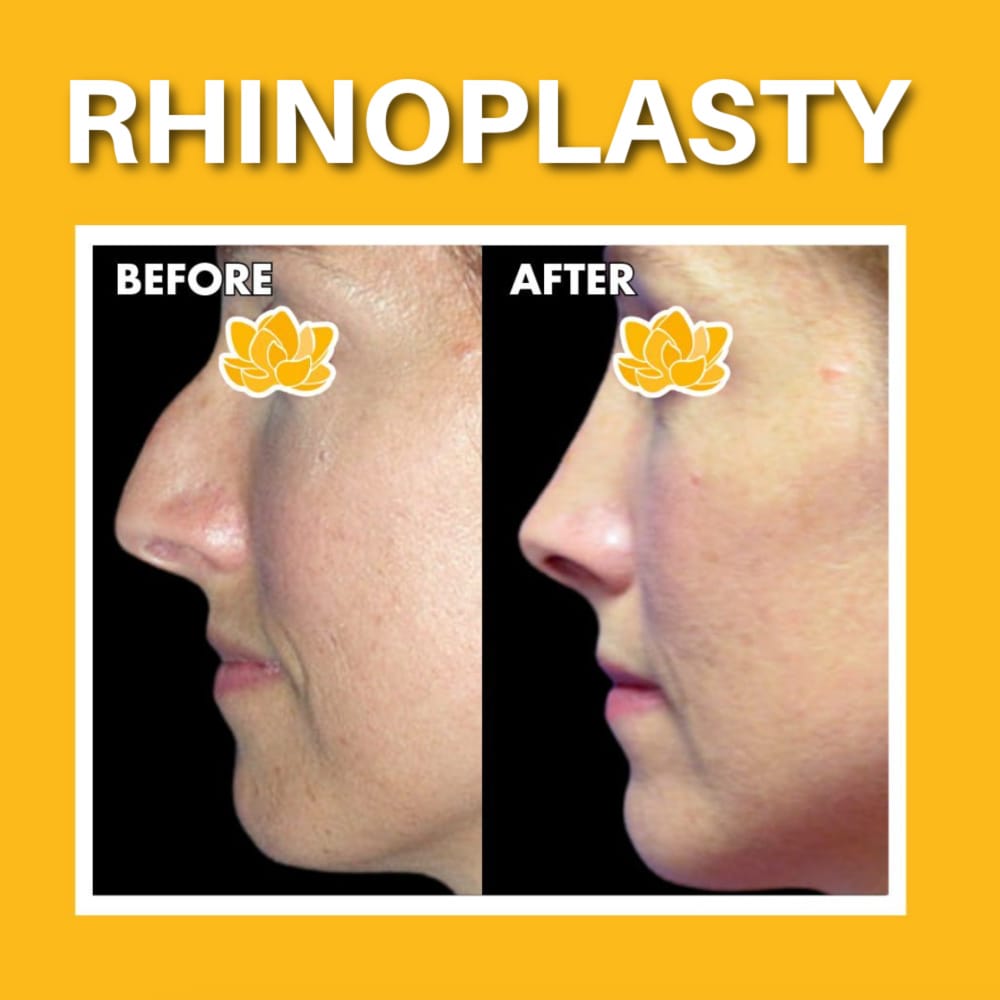
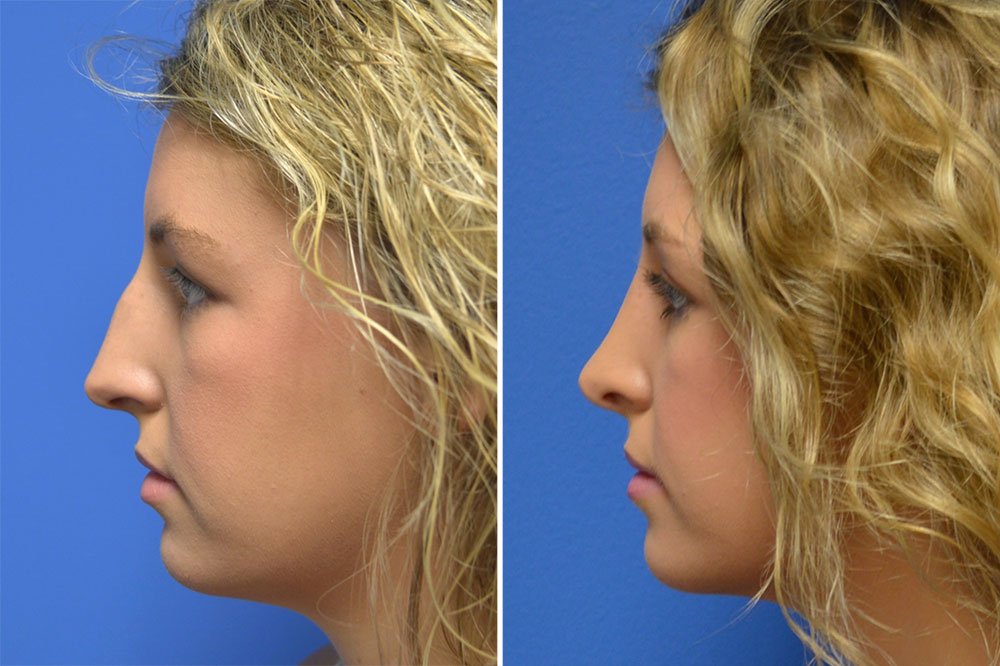
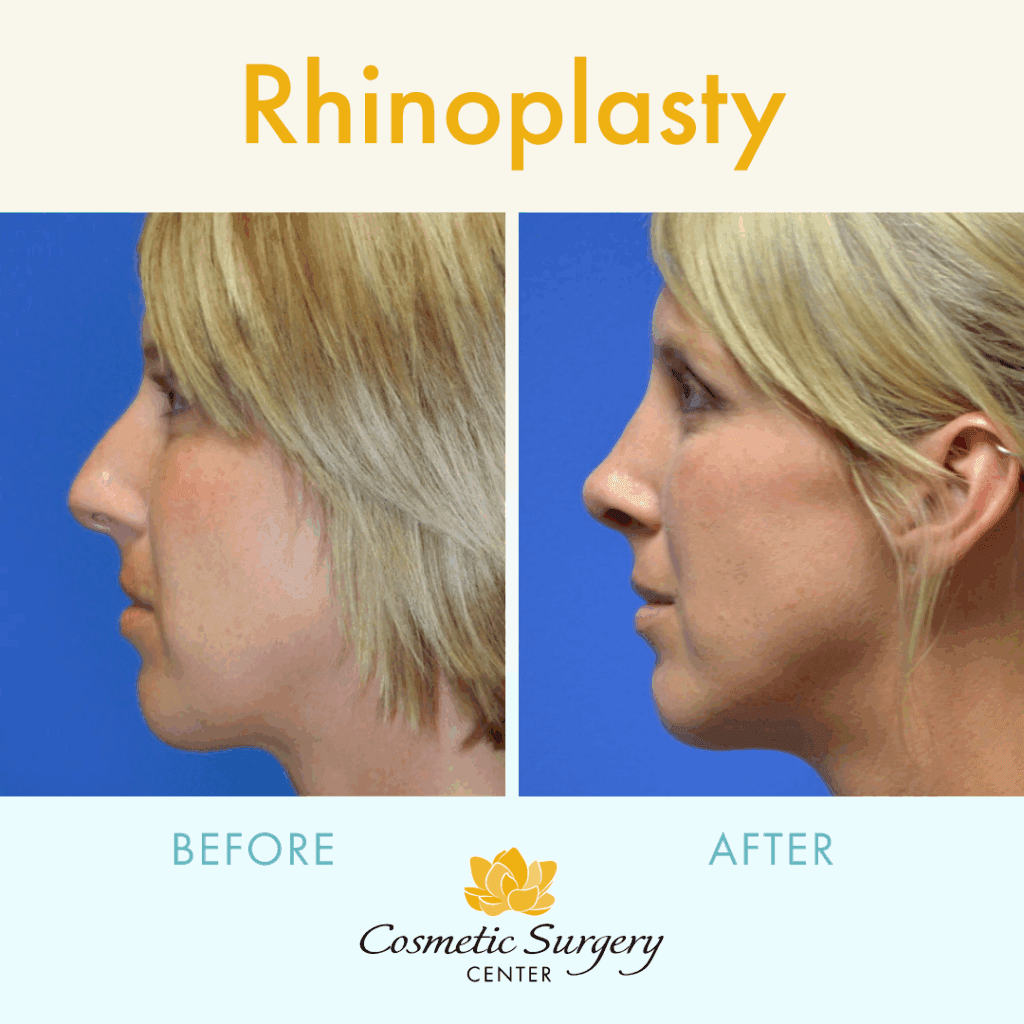
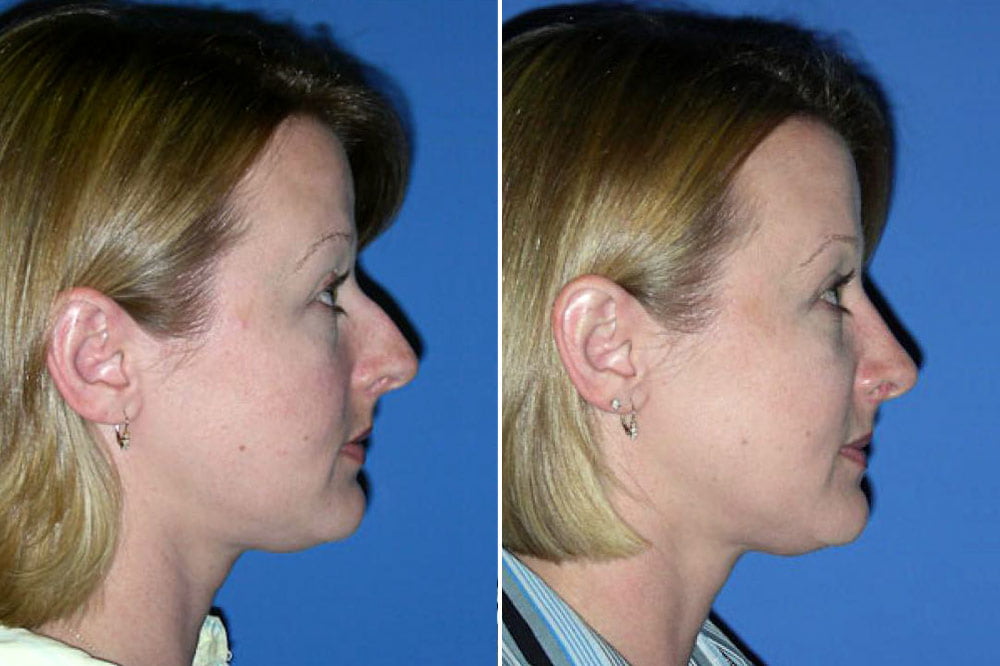
Wish you could change the shape of your nose? Rhinoplasty is a type of nose surgery that can improve the size and shape of the nose, either by increasing or decreasing the bridge, changing the angle, straightening out a bump, narrowing the nostrils or reshaping the tip. If you’re interested in nose surgery, Little Rock cosmetic surgeon and rhinoplasty expert Dr. Rhys Branman delivers outstanding results and would be happy to show you how he can perfect your nose.
We offer consultations for rhinoplasty, where you will meet Dr. Branman and discuss your goals and concerns. He will listen closely to what changes you want to make and explain all of your options. We are here to help you decide if nose surgery is right for you.
Who can benefit from rhinoplasty?
This procedure can help change unwanted characteristics of your nose and improve symmetry, but it is important to remember that improvement, not perfection, is the goal. The best candidates are healthy individuals with realistic expectations.
Although many seek to change the shape of their nose with rhinoplasty, patients may also choose to have nose surgery after a facial injury or to help relieve nasal obstructions.
There is no upper age limit for nose reshaping and nasal reconstruction, but most surgeons prefer to not operate on younger patients until they have completed their growth spurts, usually in the mid teens for girls and the mid to late teens for boys. A person’s social and emotional adjustment is also taken into consideration. This is especially true for teens.
Miss Arkansas 2013 & Dr. Branman Discuss the Benefits of Rhinoplasty
Before your rhinoplasty
It is very important to have good communication with Dr. Branman. During your consultation, he will discuss with you the goals and aesthetic changes you want to achieve through rhinoplasty. Dr. Branman will thoroughly assess your nose and facial structure and discuss your options, given the description of your desired nose. He will also review your general health and medical history with you. Other topics of discussion may include the following:
- The outcome that can be expected
- Type of anesthesia used
- Risks, particularly those related to smoking
- Cost of your nose surgery
- Where the procedure is performed
- Medications to avoid before surgery
What is involved in rhinoplasty surgery?
Most rhinoplasties are performed on an outpatient basis and usually take 2-3 hours depending on the extent of the correction.
There are different surgical techniques that can be utilized. With a closed technique, the incisions are made inside the rim of the nostrils. In an open technique, the incision is made across the base of the nostrils and nose.
With either method, the soft tissues of the nose are separated from the underlying structures, allowing access to the cartilage and bone. The cartilage and bone are then altered and sculpted into shape. At the same time, internal problems, such as breathing obstructions can be improved by removing the obstruction or changing the shape of the obstructing matter. Also, if the nostrils are too wide, Dr. Branman can remove a small wedge of skin from the base for a more balanced appearance.

“The best is simply an understatement. Dr. Branman’s work, professionalism, and overall performance are magnanimous. His staff is nothing short of an extension of himself! I honestly don’t think I would have been as pleased anywhere else.”
Rhinoplasty recovery timeline
A lightweight splint may be placed on the nose for several days to help maintain its new shape and for protection after the procedure. Dr. Branman may also put nasal packing inside the nose to stabilize the septum—the dividing wall between the air passages. These will be removed in about two days.
The first week after rhinoplasty
Patients typically have swelling and bruising around the nose and eyes. This will peak and begin to subside after the second or third day. Using cold compresses and keeping your head elevated will help reduce swelling, which should almost be unnoticeable after 2 weeks or so. A little bleeding is also common during the first few days. Any bruising will fade after a week or so and discoloration will usually disappear in two or three weeks. Camouflage cosmetics can be used to cover the discoloration after the first day or two.
All splints, packing and stitches—if they’re not dissolved—will be removed usually by the end of one week, but they can be removed in up to three weeks, depending on your condition. It is common to experience some nasal stuffiness, particularly if you’ve had surgery on the septum. It may be a week or two before Dr. Branman will advise you that it is safe to gently blow your nose.
In the weeks after surgery
You’ll need to be careful not to hit or jar your nose, or allow it to sunburn for at least 8 weeks while your nose continues to heal. It is generally advised that patients avoid strenuous activity for 2-3 weeks. Wearing glasses is also not recommended until healing is complete.
In your follow-up visits during the months following rhinoplasty, Little Rock nose surgeon Dr. Branman will examine and evaluate the healing process of your nose.
Rhinoplasty results
Although your new nose may be hidden under some bruises and swelling at first, you’ll soon be able to appreciate your new facial profile. Remember that healing is a gradual process. Most of the swelling will subside after the first week or two, but it may take up to a year to really appreciate the final results.
Be sure to protect your nose and always wear sunscreen so that you can enjoy the results for many years.
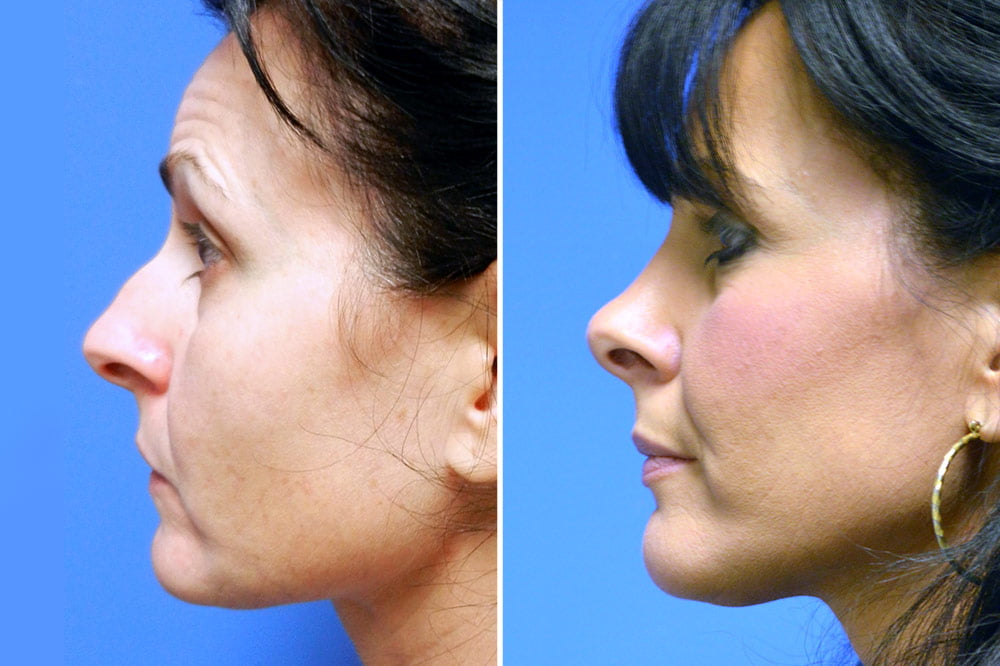
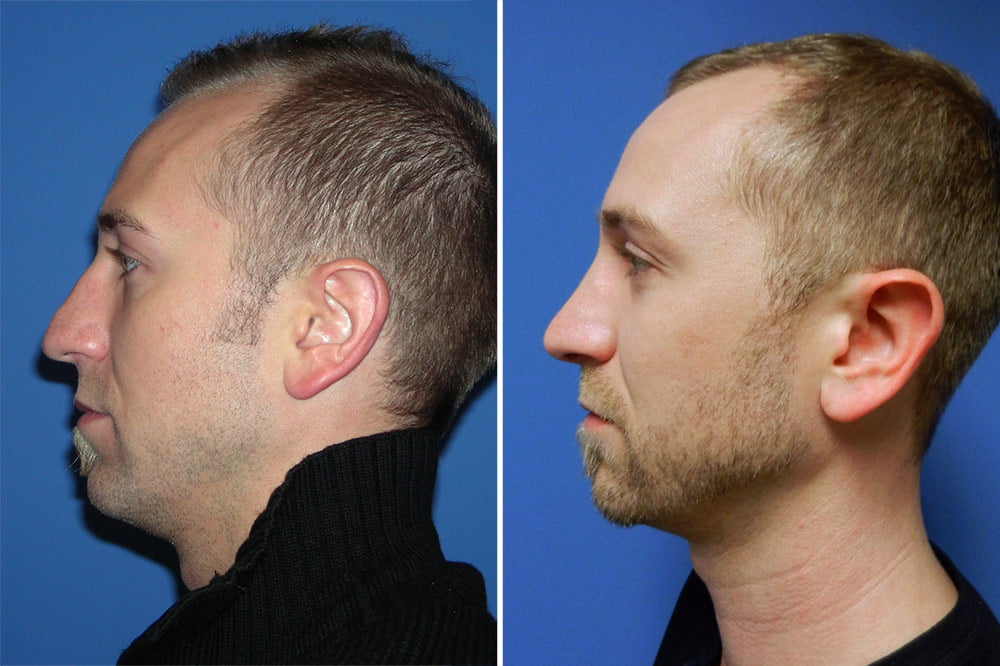
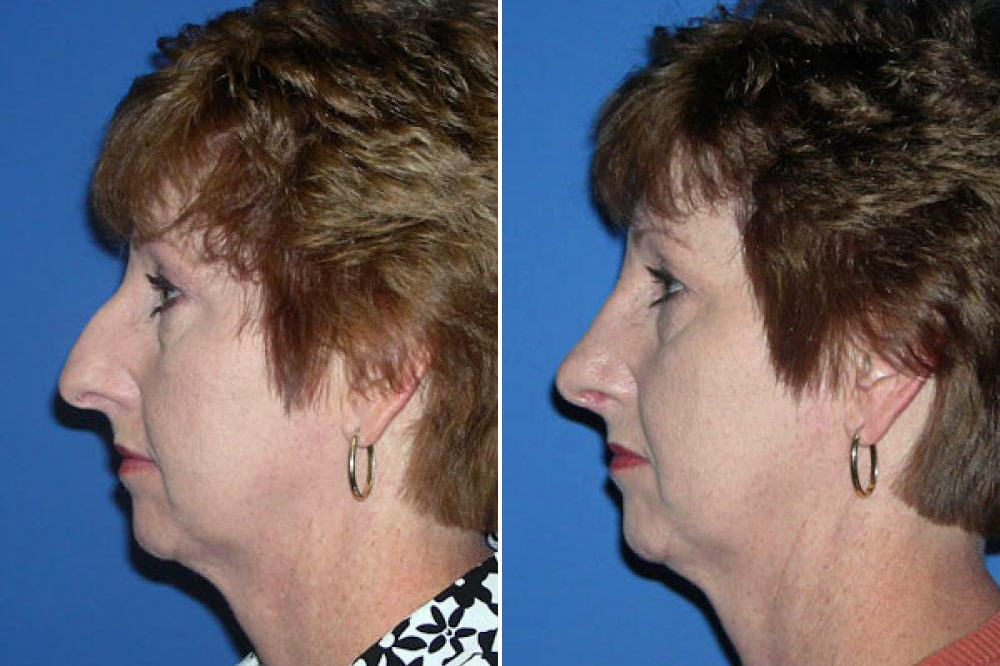
Risks of nose reshaping surgery
Rhinoplasty is generally a safe cosmetic procedure with infrequent complications. While complications are unusual, you should discuss the risks and the possible side effects with Dr. Branman. In some cases, a second minor corrective surgery may need to be performed to achieve satisfactory results. You should have realistic expectations and realize that while most of the change will be apparent within three weeks, the finer refinements may take up to a year.
Rhinoplasty surgery, and all cosmetic surgery procedures with Dr. Branman, are performed at Arkansas Surgical Hospital or in our accredited surgical suite.
Learn more about rhinoplasty at Little Rock Cosmetic Surgery Center
In this video, our Registered Nurse walks you through the rhinoplasty process – from prepping for surgery through your full recovery. For more information about surgical procedures at our surgery center, please watch our general surgery video.
Video transcript »
“Hey, yall, registered nurse at CSC. Today we’re going to be talking about rhinoplasty, but if you haven’t already watched the general surgery information video, go ahead and do that first before you watch this.
The items you’ll need at home are your lab work and your prescription medications—we’ll give you all that stuff at your pre-op. You’ll also need some hydrogen peroxide and Q-tips to clean your nose with, Afrin nose spray, gauze sponges (about four-by-fours), one-inch paper tape, a bag of frozen peas, and small Ziploc snack-sized baggies. You’ll also need to wear a zip-up or button-up shirt that we can put you in after surgery. We want you to shampoo your hair the night before and the morning of your surgery, and don’t use any hairspray or hair gel. We also want you to clean your face really well the morning before surgery and not apply any moisturizers, makeup, or anything like that. Don’t forget to bring your pain and nausea medication with you to surgery.
Now we’ll start talking about post-op care. You will restart your antibiotic medication and your Arnica medication when you get home from surgery, with a light meal to avoid any nausea. You’ll sleep in a semi-sitting position for about three to five days following surgery—this can be propped up on a couple of pillows in a recliner or whichever is more comfortable for you. You do want to try to suppress any forceful coughing, blowing of the nose, or sneezing for about a week or two if you can.
You will notice some bruising and swelling that may occur in the surgical area and around your eyes. If that happens, it should be gone within one to two weeks, and most swelling should be gone in two to six weeks. Just remember that your nose can take about a year to achieve its final appearance. You might have a low-grade fever after anesthesia—it’s not completely abnormal. If you do notice this, take some Tylenol, increase your water intake, and if it doesn’t go below 101.5°F, then give us a call.
We want you to keep an ice pack (which is actually going to be those frozen peas in that Ziploc baggie) on your eyes and nose for about 12 hours after surgery. If it’s getting too cold, you can place a Kleenex under it, and you can also take breaks if you need to—like 15 minutes on, 15 minutes off. Just remember not to get the splint or the nasal dressings wet. You’ll have a little thing we call a nasal drip pad, which is just a little gauze sponge under your nose to catch any blood that’s going to drip for about 12 hours after surgery. You’ll keep wearing that and change it about every hour for about 8 to 12 hours. If it’s saturating every 30 minutes and you can’t keep up with it, give us a call. You shouldn’t see that much bleeding.
For the first ten days, you want to avoid any straining or bending over to lift things, which helps prevent swelling, bruising, and more bleeding. Also, avoid excessive sun exposure—or really any sun exposure if you can—because it can cause swelling in about five to ten percent of patients. Don’t drive and take your pain medication. If you wear contacts, you can start wearing them about two days later or whenever your swelling subsides.
Your nasal splint will be removed in our office about five to seven days after surgery, so don’t mess with that at all—the splint part, we’ll take care of that. After we remove it, you’ll be given a metal splint to wear if you have to wear eyeglasses or sunglasses because we don’t want that pressure distorting your nose at all. You’ll need to do that for about three months.
You can do some walking and light activity about 48 hours after your surgery, but no strenuous exercise such as working out, running, or weightlifting for about four weeks after surgery. Definitely no contact sports—basketball, football, volleyball, soccer—for about three months after surgery. You might notice that your nose feels really congested, and that can be normal for about four to eight weeks after surgery due to internal swelling. Head elevation and avoiding a lot of salt in your diet can help with that.
Now we’re going to talk about nasal packing and how to remove it. You’re going to want to remove the nasal packing inside your nostrils about 24 hours after surgery. To do this, you’ll need to assemble the following: a chair, tweezers, nasal spray (the Afrin kind), tissues, a wastebasket, and a mirror. While seated, you’re going to saturate each foam sponge with the Afrin nasal spray and tilt your head back for five minutes to moisten the foam for easier removal. Then, look in the mirror, grab the foam with your tweezers, and in one continuous motion, pull out the foam piece. Repeat on the other side. Any prolonged heavy bleeding past 15 minutes is very unusual, so if you notice that, definitely give us a call and control the bleeding with the Afrin nose spray. You might have a couple of drops after, which is normal, but anything excessive—give us a call.
Now we’re going to talk about nasal cleaning. It should be started after the sponges are removed. Clean inside the nose twice a day with the hydrogen peroxide-soaked Q-tips, and you’ll occasionally get large dried crusts of blood out, which is normal. If you notice that your nose keeps smelling kind of funny or bad, then increase your cleaning to four times a day. If the odor still persists after that, give us a call.
Let’s go over that again: clean the inside of your nose twice a day for the first month, and then the next month, just once a day is okay. That’s really it. There’s some more information in this packet that we’ll give you, going over the consents that you’ll find at your pre-op, some of the medications to avoid—a big list of them—and Arnica and how it helps with speeding up recovery. That’s all in there for you, and you’ll get it at your pre-op. We can’t wait to see you guys!”
Why choose Dr. Branman for your Little Rock rhinoplasty
Dr. Rhys L. Branman is an elite facial cosmetic surgeon in Little Rock. Board certified by both the American Board of Cosmetic Surgery and the American Board of Maxillofacial Surgery, Dr. Branman has the intricate knowledge of facial anatomy essential for achieving natural-looking results, along with over 20 years of experience performing nose reshaping procedures.
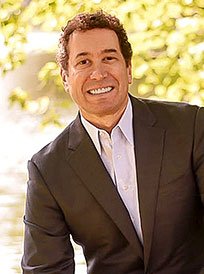
If you’re ready to talk to a cosmetic surgeon about your nose reshaping options, we invite you to call or contact us for a consultation with expert facial surgeon Dr. Rhys Branman. He will listen to your goals and concerns, answer your questions, and help you decide the best approach to make the improvements you have in mind.
Dr. Branman has extensive experience in performing facial procedures and has been helping Little Rock, Arkansas rhinoplasty patients meet their goals since 1998. He would be happy for you to come in for a consult to learn more about your facial plastic surgery options.