Injectables have revolutionized the field of aesthetic medicine by offering minimally invasive solutions for wrinkle reduction, facial contouring, and skin revitalization. Whether you’re seeking the smoothing benefits of neuromodulators like Botox® or the volume-enhancing properties of dermal fillers, injectables can help refine your features without the downtime of surgery. In this category, we explore the full spectrum of injectable treatments, including their benefits, risks, and the best ways to maintain results.
Types of Injectables
- Neuromodulators (Botox®, Dysport®, Xeomin®): These treatments target the dynamic muscles responsible for expression lines, relaxing them to soften wrinkles around the eyes, forehead, and between the brows.
- Dermal Fillers: Often composed of hyaluronic acid (Juvederm®, Restylane®) or other biocompatible substances, fillers add youthful volume to areas such as the cheeks, lips, and nasolabial folds.
- Collagen Stimulants (Sculptra®, Radiesse®): These promote your skin’s natural collagen production, gradually improving texture and fullness over several months.
- Fat-Dissolving Injections (Kybella®): Designed to break down and absorb dietary fat, these injections are commonly used to treat submental fullness (double chin).
Benefits of Injectables
- Minimally Invasive: With quick treatment sessions and minimal discomfort, injectables are an appealing alternative to surgery.
- Customizable Results: Treatments can be tailored to your facial structure and desired level of correction, offering a highly personalized approach.
- Little to No Downtime: Most patients return to daily routines immediately, making injectables a convenient “lunchtime” procedure.
- Subtle Enhancements: When performed by a skilled provider, injectables can yield natural-looking results that enhance your existing features.
Considerations & Safety
While injectables are generally safe, it’s crucial to seek treatment from a board-certified cosmetic surgeon or licensed professional who is well-versed in facial anatomy. Incorrect injection depth or placement could lead to side effects like bruising, swelling, or more serious complications. Pre-injection consultations help establish realistic expectations and identify any contraindications such as pregnancy, allergies, or certain medical conditions.
What to Expect During Treatment
Most injectable treatments begin with a brief consultation and facial assessment. A topical anesthetic may be applied to minimize discomfort. The procedure itself usually takes under 30 minutes, depending on the number of areas treated. Patients may experience mild redness or swelling, but these side effects typically subside within a few hours to a couple of days.
Maintaining Your Results
The longevity of injectables varies by product type and individual factors such as metabolism and lifestyle. Neuromodulators typically last 3-4 months, while dermal fillers can last from 6-18 months depending on the formula and treatment area. Periodic follow-up appointments help prolong and optimize your results. Additionally, adopting a supportive skincare regimen—complete with sun protection, adequate hydration, and medical-grade products—can further enhance the benefits of injectables.
Combining Injectables with Other Treatments
Injectables often serve as a complementary treatment to other cosmetic procedures. For instance, laser skin resurfacing can address texture concerns while fillers restore volume. Likewise, pairing neuromodulators with a mini-lift can maximize anti-aging effects without significantly increasing downtime. Tailoring a multi-modality approach under the guidance of a cosmetic surgeon can yield transformative, natural-looking outcomes.
Educational Resources in This Category
Within our Injectables blog category, you’ll find:
- Procedure Spotlights: Detailed breakdowns of each injectable type, including the science behind how they work.
- Before & After Galleries: Real results showcasing how injectables can soften fine lines, restore volume, or refine facial contours.
- Expert Opinions: Q&A with our board-certified cosmetic surgeon on topics ranging from dose optimization to managing side effects.
- Maintenance Tips: Guidance on scheduling follow-up treatments, skincare routines, and lifestyle habits for lasting results.

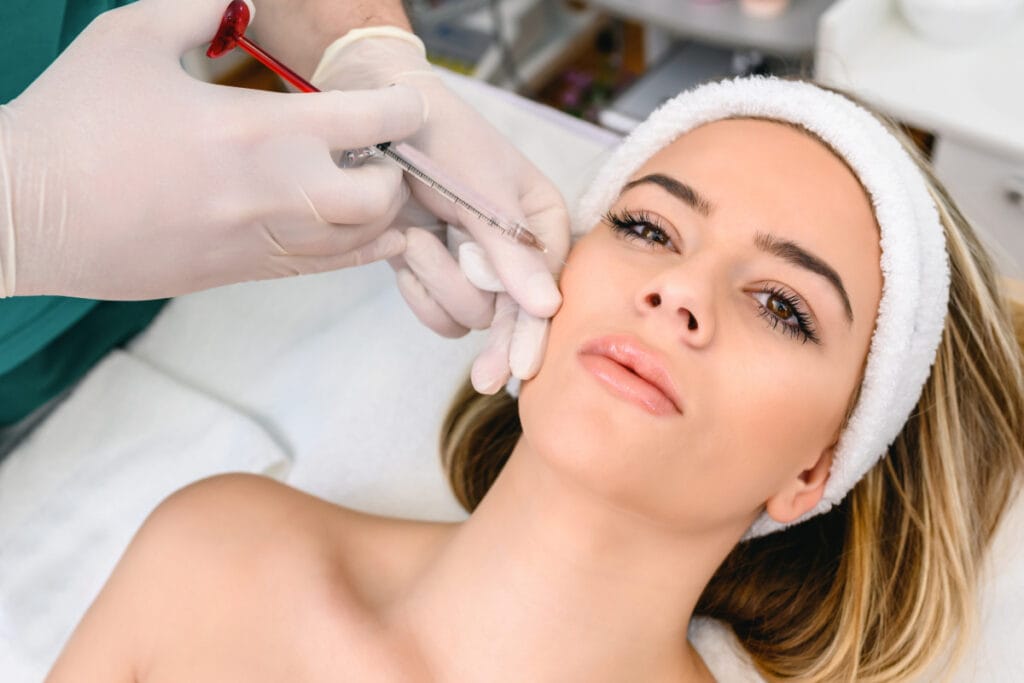 Have you recently had Botox or dermal fillers and are wondering whether a little touch-up might be needed? At Cosmetic Surgery Center & Exhale Med Spa in Little Rock, our experienced injector Leslie H. Branman, BSN, RN, CPSN, CANS often…
  Arkansas’s Only Double-Board Certified Aesthetic Nurse
At Cosmetic Surgery Center and Exhale Med Spa, we’re proud to highlight our own Leslie H. Branman, BSN, RN, CPSN, CANS, ISPAN-F—our Clinical & Surgical Services Director, Certified Plastic Surgery Nurse, and expert injector.…
Arkansas’s Only Double-Board Certified Aesthetic Nurse
At Cosmetic Surgery Center and Exhale Med Spa, we’re proud to highlight our own Leslie H. Branman, BSN, RN, CPSN, CANS, ISPAN-F—our Clinical & Surgical Services Director, Certified Plastic Surgery Nurse, and expert injector.…  .kb-table-of-content-nav.kb-table-of-content-id29116_151d8d-9d .kb-table-of-content-wrap{margin-top:var(--global-kb-spacing-xs, 1rem);margin-bottom:var(--global-kb-spacing-md, 2rem);padding-top:var(--global-kb-spacing-xs, 1rem);padding-right:var(--global-kb-spacing-xs, 1rem);padding-bottom:var(--global-kb-spacing-xs, 1rem);padding-left:var(--global-kb-spacing-xs, 1rem);background-color:#ededed;border-top:1px solid #cecece;border-right:1px solid #cecece;border-bottom:1px solid #cecece;border-left:1px solid #cecece;}.kb-table-of-content-nav.kb-table-of-content-id29116_151d8d-9d .kb-table-of-contents-title-wrap{padding-top:0px;padding-right:0px;padding-bottom:0px;padding-left:0px;border-bottom:0px solid transparent;}.kb-table-of-content-nav.kb-table-of-content-id29116_151d8d-9d .kb-table-of-contents-title{font-size:1.125rem;line-height:1rem;font-weight:bold;font-style:normal;text-transform:none;}.kb-table-of-content-nav.kb-table-of-content-id29116_151d8d-9d .kb-table-of-content-wrap .kb-table-of-content-list{font-weight:regular;font-style:normal;margin-top:var(--global-kb-spacing-sm, 1.5rem);margin-right:0px;margin-bottom:var(--global-kb-spacing-sm, 1.5rem);margin-left:0px;}.kb-table-of-content-nav.kb-table-of-content-id29116_151d8d-9d .kb-table-of-content-list li{margin-bottom:12px;}.kb-table-of-content-nav.kb-table-of-content-id29116_151d8d-9d .kb-table-of-content-list li .kb-table-of-contents-list-sub{margin-top:12px;}.kb-table-of-content-nav.kb-table-of-content-id29116_151d8d-9d .kb-toggle-icon-style-basiccircle .kb-table-of-contents-icon-trigger:after, .kb-table-of-content-nav.kb-table-of-content-id29116_151d8d-9d .kb-toggle-icon-style-basiccircle .kb-table-of-contents-icon-trigger:before, .kb-table-of-content-nav.kb-table-of-content-id29116_151d8d-9d .kb-toggle-icon-style-arrowcircle .kb-table-of-contents-icon-trigger:after, .kb-table-of-content-nav.kb-table-of-content-id29116_151d8d-9d .kb-toggle-icon-style-arrowcircle .kb-table-of-contents-icon-trigger:before,…
  .kb-table-of-content-nav.kb-table-of-content-id29090_df1824-d3 .kb-table-of-content-wrap{margin-top:var(--global-kb-spacing-xs, 1rem);margin-bottom:var(--global-kb-spacing-md, 2rem);padding-top:var(--global-kb-spacing-xs, 1rem);padding-right:var(--global-kb-spacing-xs, 1rem);padding-bottom:var(--global-kb-spacing-xs, 1rem);padding-left:var(--global-kb-spacing-xs, 1rem);background-color:#ededed;border-top:1px solid #cecece;border-right:1px solid #cecece;border-bottom:1px solid #cecece;border-left:1px solid #cecece;}.kb-table-of-content-nav.kb-table-of-content-id29090_df1824-d3 .kb-table-of-contents-title-wrap{padding-top:0px;padding-right:0px;padding-bottom:0px;padding-left:0px;border-bottom:0px solid transparent;}.kb-table-of-content-nav.kb-table-of-content-id29090_df1824-d3 .kb-table-of-contents-title{font-size:1.125rem;line-height:1rem;font-weight:bold;font-style:normal;text-transform:none;}.kb-table-of-content-nav.kb-table-of-content-id29090_df1824-d3 .kb-table-of-content-wrap .kb-table-of-content-list{font-weight:regular;font-style:normal;margin-top:var(--global-kb-spacing-sm, 1.5rem);margin-right:0px;margin-bottom:var(--global-kb-spacing-sm, 1.5rem);margin-left:0px;}.kb-table-of-content-nav.kb-table-of-content-id29090_df1824-d3 .kb-table-of-content-list li{margin-bottom:12px;}.kb-table-of-content-nav.kb-table-of-content-id29090_df1824-d3 .kb-table-of-content-list li .kb-table-of-contents-list-sub{margin-top:12px;}.kb-table-of-content-nav.kb-table-of-content-id29090_df1824-d3 .kb-toggle-icon-style-basiccircle .kb-table-of-contents-icon-trigger:after, .kb-table-of-content-nav.kb-table-of-content-id29090_df1824-d3 .kb-toggle-icon-style-basiccircle .kb-table-of-contents-icon-trigger:before, .kb-table-of-content-nav.kb-table-of-content-id29090_df1824-d3 .kb-toggle-icon-style-arrowcircle .kb-table-of-contents-icon-trigger:after, .kb-table-of-content-nav.kb-table-of-content-id29090_df1824-d3 .kb-toggle-icon-style-arrowcircle .kb-table-of-contents-icon-trigger:before,…
  In part 1 of our series on our top cosmetic procedures for men, board-certified Little Rock cosmetic surgeon Dr. Rhys Branman highlighted the top surgical procedures that men are taking advantage of to look and feel great in 2024. (In…
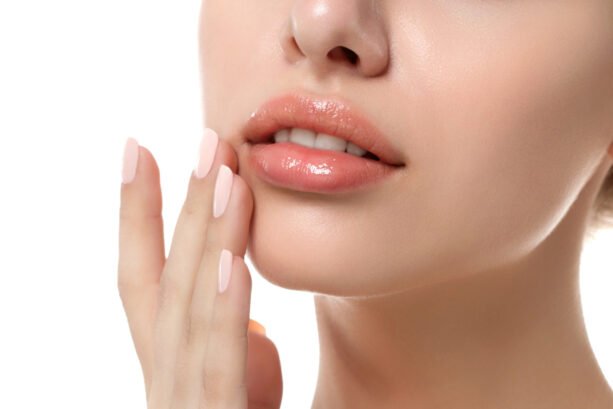 If you like to stay on top of beauty trends (or you regularly check social media), you’ve likely heard of the BOTOX® lip flip. This in-vogue procedure provides a subtle lift to the upper lip and improves its contour, making…
 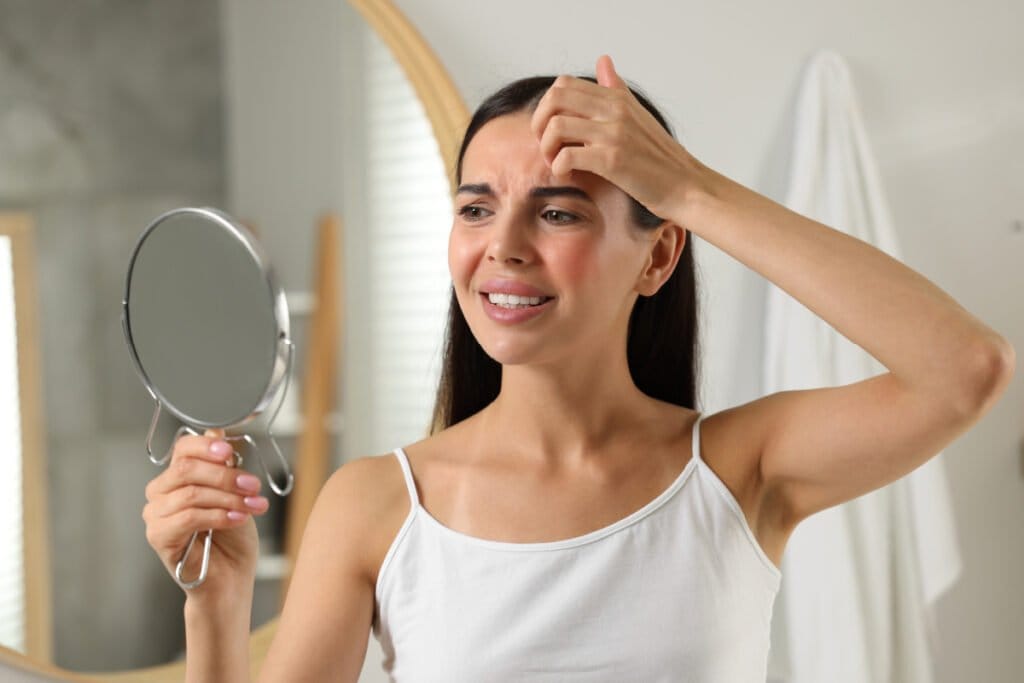 Botox® is the household name for injectable Botulinum toxin, or neuromodulator—by far the most popular non-invasive cosmetic treatment. Botox is injected into millions of faces each year with successful outcomes, but in certain cases, its effects start to decline over…
 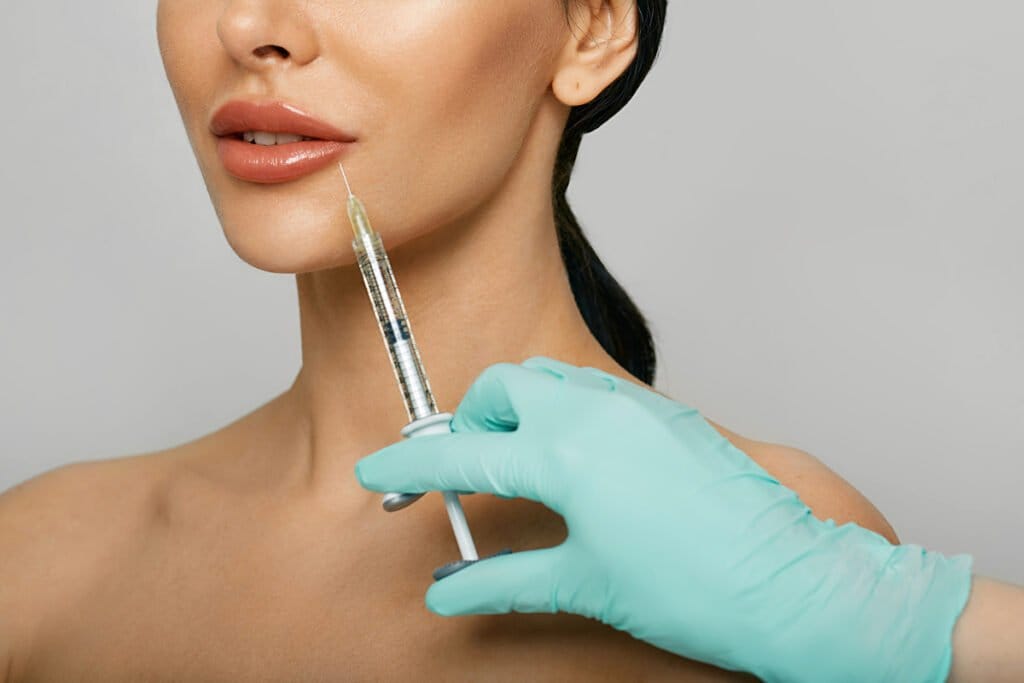 Have you considered dabbling in dermal fillers, but aren’t sure where to start? Each filler has unique properties and is best suited for specific areas of the face, so choosing the right facial filler for a particular area is crucial…
 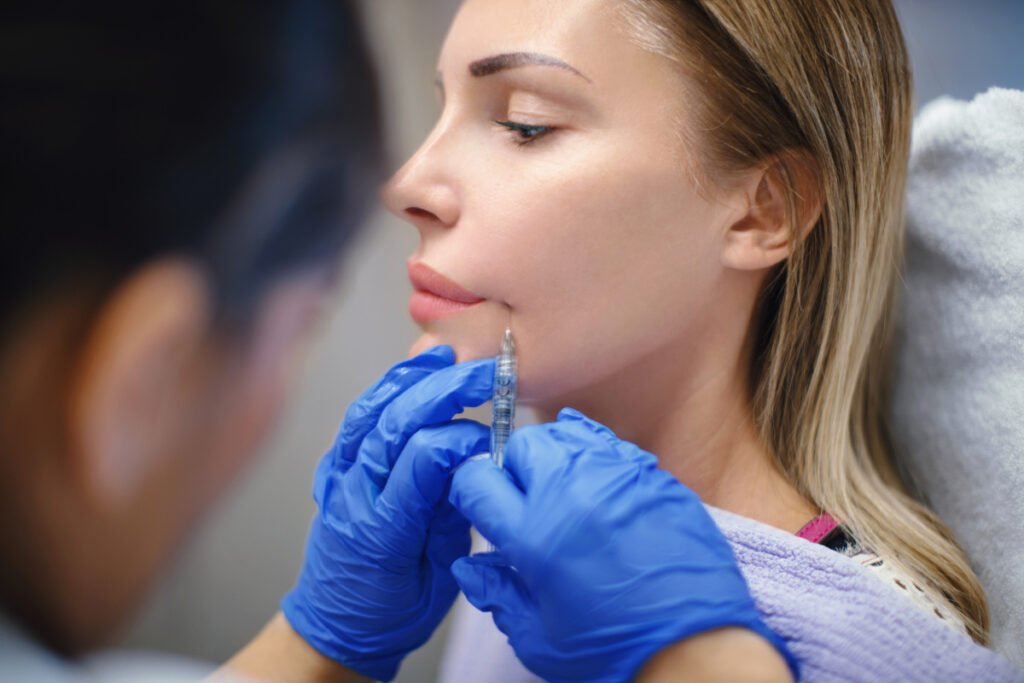 The new Revance RHA® Collection of dermal fillers offer a new approach to the aging face: This collection of 3 fillers is FDA-approved to smooth dynamic wrinkles, like the lines that form around the mouth as we smile. This is…