Breast Augmentation Little Rock, AR (Breast Implant Surgery)
Learn how Dr. Branman can help you boost your confidence with the breasts you desire
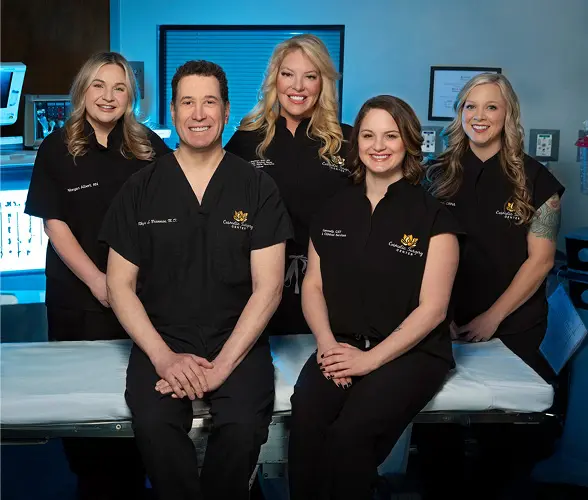
Every woman deserves to feel self-assured and happy with her body. However, if you are bothered by the appearance of your breasts, it can be difficult to feel confident in yourself and your appearance. Board certified Little Rock cosmetic surgeon Dr. Rhys Branman understands just how much this can impact your self-esteem because he’s helped hundreds of patients like you boost their feminine curves and their confidence through breast augmentation surgery in Little Rock, AR.
Whether you’ve always felt self-conscious of your naturally small breasts, or you’ve noticed loss of volume and shape after pregnancy, weight loss, or the natural aging process, expertly performed breast augmentation can help you enhance your look and feel confident in your appearance every day.

Why consider Breast Augmentation with implants?
When performed by an experienced cosmetic surgeon like Dr. Branman, breast augmentation is a straightforward procedure that offers dramatic improvement without excessive discomfort or downtime. Our patients typically return to work within the first week and enjoy their final results within a few months—and with advancements in surgical techniques and breast implant options, recovery is becoming shorter, more comfortable, and less prone to complications.
So, why do many women get breast augmentation? Here are some of the most popular reasons our patients state:
- “I feel self-conscious about my small breasts when wearing certain clothes.”
- “I don’t feel like my breasts are proportionate to the rest of my body.”
- “I’ve lost fullness in the upper part of my breasts after having kids.”
- “My breasts are noticeably asymmetrical.”
- “I’m bothered by the shape of my breasts.”
- “I just want to feel confident in (and out of) clothes.”
- “After weaning my children from breastfeeding I missed my full breasts.”
The decision to have a breast augmentation procedure is a deeply personal one that should be made by you alone, with the guidance of a qualified board certified cosmetic surgeon.
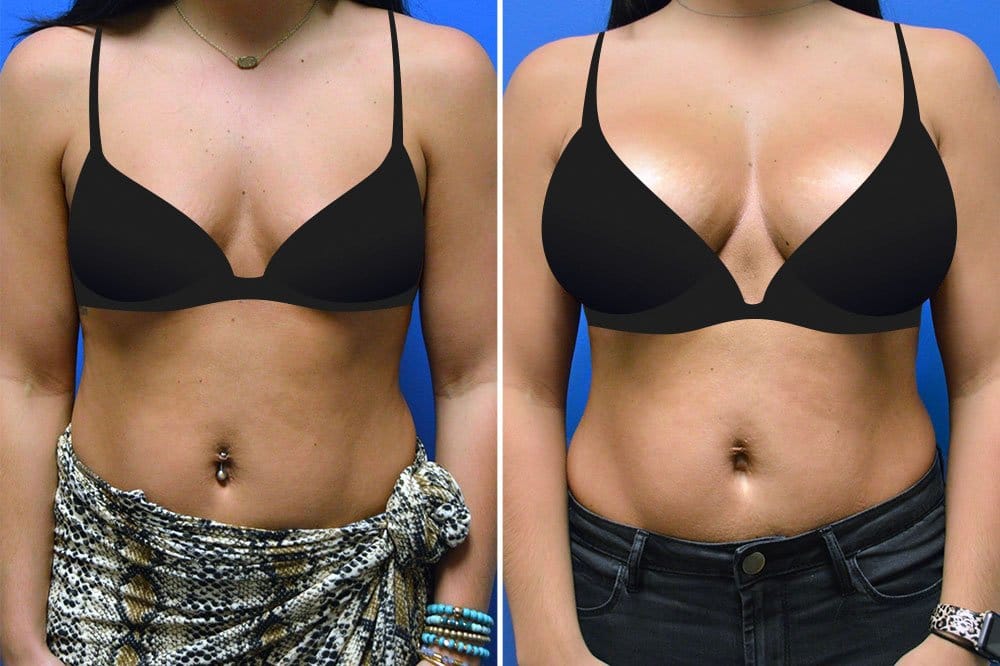

“Dr. Branman recently performed my breast augmentation, and I couldn’t be more pleased with my results. He and his staff have been amazing through this entire process. During my consultation, he took the time to address all of my questions and concerns, and I was able to try on sizers to see what my end result might be. I really appreciate his attention to detail. I had zero bruising following my procedure, and the stitching on my incisions was immaculate. The implant size that Dr. Branman chose fits my body perfectly, and gives me the proportion I was lacking.”
How much does Breast Augmentation with implants cost in Little Rock, AR?
The cost of breast augmentation in Little Rock, AR varies depending on your choice of implant (silicone gel implants cost a little more), your goals, and your individual anatomy. During your personalized consultation with Dr. Branman, you will receive a detailed fee quote that includes:
- The cost of your breast implants
- Surgeon’s fees
- Operating time and supplies
- Anesthesia and administration by board certified anesthesiologist
- Any required garments or dressings
- All of your pre- and post-operative visits
At this time, your fee quote will be “locked in,” and you will be ready to schedule surgery, put down a payment, and explore your financial options.
Budgeting for Your Breast Surgery
While you should never “value shop” for a cosmetic surgeon, we believe that taking steps to improve your look and your confidence through cosmetic enhancement shouldn’t break your budget. That’s why we offer a variety of financing & payment options.
We work with a number of trusted third-party plastic surgery financing companies and can help you receive pre-approval so you can get started right away—and feel confident that you will be able to pay for your surgery with manageable monthly payments.
The “Breast” Specials & Discounts
Be sure to check our monthly specials frequently—we often offer exclusive discounts on breast augmentation and breast implants. Dr. Branman also offers ongoing discounts for eligible patients.
Your Little Rock Breast Augmentation Consultation with Dr. Branman
During your consultation, Dr. Branman will evaluate your health, your natural body dimensions, and the condition of your breasts to determine the most beneficial option for you.
We will measure and take into account your individual proportions, including:
- Breast width and circumference
- Shoulder width
- Rib cage shape, width, and circumference
- Hip width
- Waist-to-hip ratio
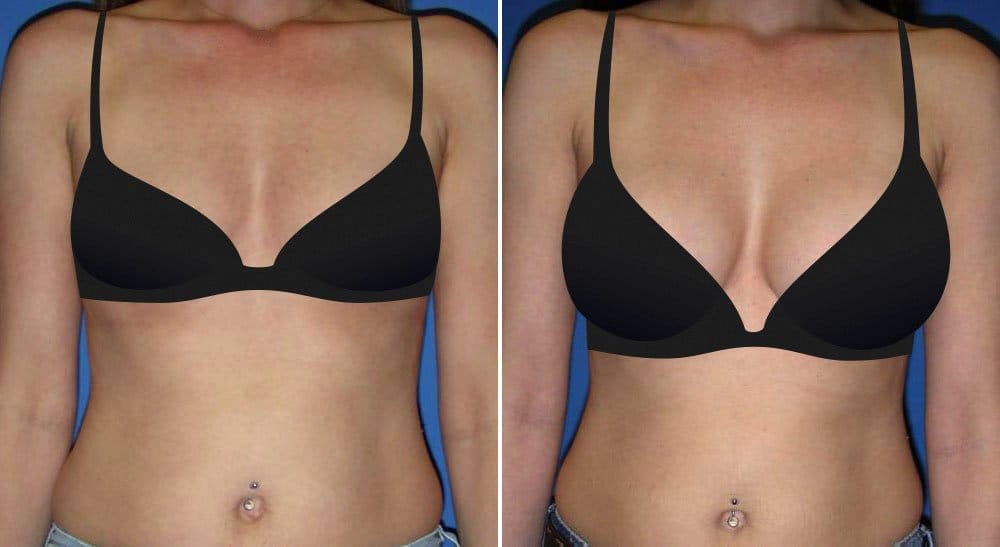
With more implant choices than ever to achieve the right size, shape, and fullness, the knowledge and skill of a cosmetic surgeon with 20+ years of experience, and the helpful support of our Little Rock Cosmetic Surgery Center staff, you can enjoy the beautiful breast contours you’ve always wanted.
Choosing Your Breast Implants
Our breast augmentation patients tell us they have fun choosing their implants, but there are so many options to choose from, and making the decision can get a little overwhelming. We are here to help you through the entire implant selection process to ensure your goals are completely met.
Dr. Branman exclusively uses breast implants from MENTOR. MENTOR has been manufacturing breast implants for over 30 years and is one of the most established names in the industry. Dr. Branman is experienced with both silicone gel and saline implants, so he can explain the advantages and disadvantages of each. If Dr. Branman recommends a specific implant, he will discuss with you the reasons for that choice and the results you can expect in regard to size and breast appearance.
Silicone implants
Silicone breast implants have quickly gained popularity with our breast augmentation patients. You can choose from a number of sizes and profiles of the popular round silicone MemoryGel implants, as well multiple sizes for MENTOR’s MemoryShape “gummy bear” shaped implants. Dr. Branman has extensive experience with both of these options and can guide you in your decision.
Do silicone breast implants look more natural than saline?
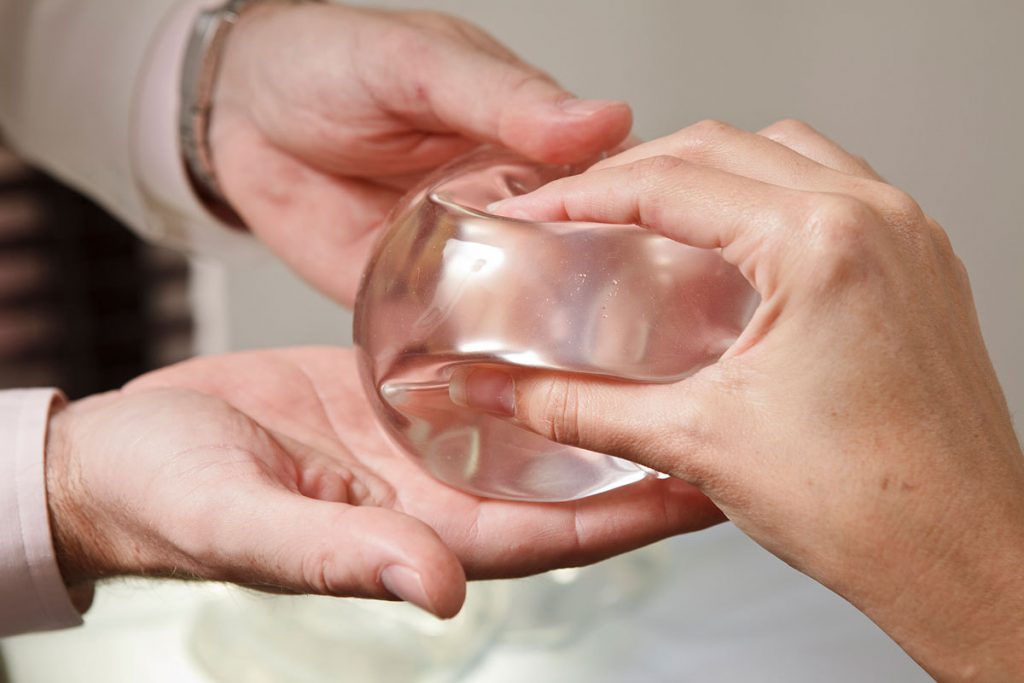
The main difference between silicone and saline breast implants is the material used to fill the breast implant shell. All breast implants are made out of a silicone outer shell. Saline breast implants are filled with a sterile saltwater solution, while silicone breast implants are filled with a cohesive silicone gel.
What this means for you is a slightly different feel and sizing precision between the two. Saline implants feel firmer and can be filled to a very precise amount during breast augmentation, while silicone gel is softer and comes pre-filled in the size & profile you choose before surgery. Ultimately, a natural looking breast augmentation comes down to your goals and your cosmetic surgeon’s skill and experience. Dr. Branman’s patients who are good candidates for and who choose saline are by and large very happy with their results; those who choose silicone feel the same.
“I love the shape. I didn’t want to go big and these are perfect for my body. The staff was excellent and helpful, always kind and responsive.”
Benefits of silicone gel breast implants
One of the biggest benefits of silicone breast implants over saline breast implants is the look and feel of the breast implants after they have been placed. Many people agree that silicone breast implants are softer and feel more natural than saline breast implants.
Another benefit of silicone breast implants is the reduced risk of postoperative complications, such as rippling. Since the cohesive silicone gel used in the implants is thicker, is it less likely to slosh around, resulting in fewer cases of rippling after the breast implants have been placed. This is more of an issue for patients with less existing breast tissue to cover the implant, so if you have thinner skin or breast tissue, you typically will be happier with silicone.
Saline implants
Saline breast implants are made of a silastic (silicone rubber) outer shell and filled with a sterile saltwater solution. The implant comes from the manufacturer as an empty shell to be filled during surgery. The manufacturer defines recommended fill levels for the implant, but it is common practice for a cosmetic surgeon to overfill the implant to a certain extent in order to match the patient’s needs. Filling the implant during surgery allows for a smaller incision–that’s one of the key advantages of saline implants.
Saline implants are generally heavier and firmer than silicone. Some patients appreciate firm characteristics and some do not. It really just depends on your personal preferences.
Benefits of saline implants
Saline implants are considered safe and offer some important advantages to consider for your breast augmentation procedure:
- They are a cost-effective option for breast augmentation
- They can be filled to precisely the right size for improved symmetry
- The incision will be smaller during surgery
- They do not require routine MRIs to monitor for rupture
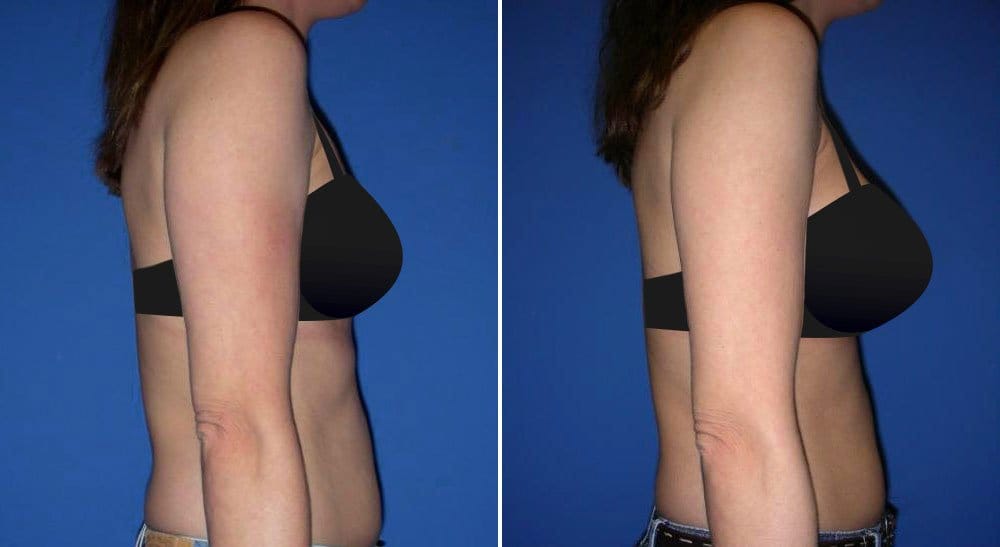
“Dr Branman was courteous, professional and had great bedside manners. He took into consideration what results I wanted to achieve and I got exactly what I wanted. I feel better and I’m thrilled every single day I made this choice for me.”
Breast Implant Sizes & Shapes
Breast implants come in almost any size imaginable, as well as in multiple shapes. To determine the appropriate size to achieve the look you want, you need to identify and analyze three main factors:
- The results you want to achieve
- The proper placement of the breast implant
- Your body type, breast size, and breast shape
During your consultation, you will get to try on different implants to see how each enhances your body proportions. With Dr. Branman’s personal guidance, we can help you find the right implants for your new look. At your implant sizing session, we will measure and take into account your individual proportions, including breast width and circumference, shoulder width, rib cage shape, hip width, and your waist to hip ratio. The ultimate goal is to find the shape and size that best suits your figure and meets your goals!
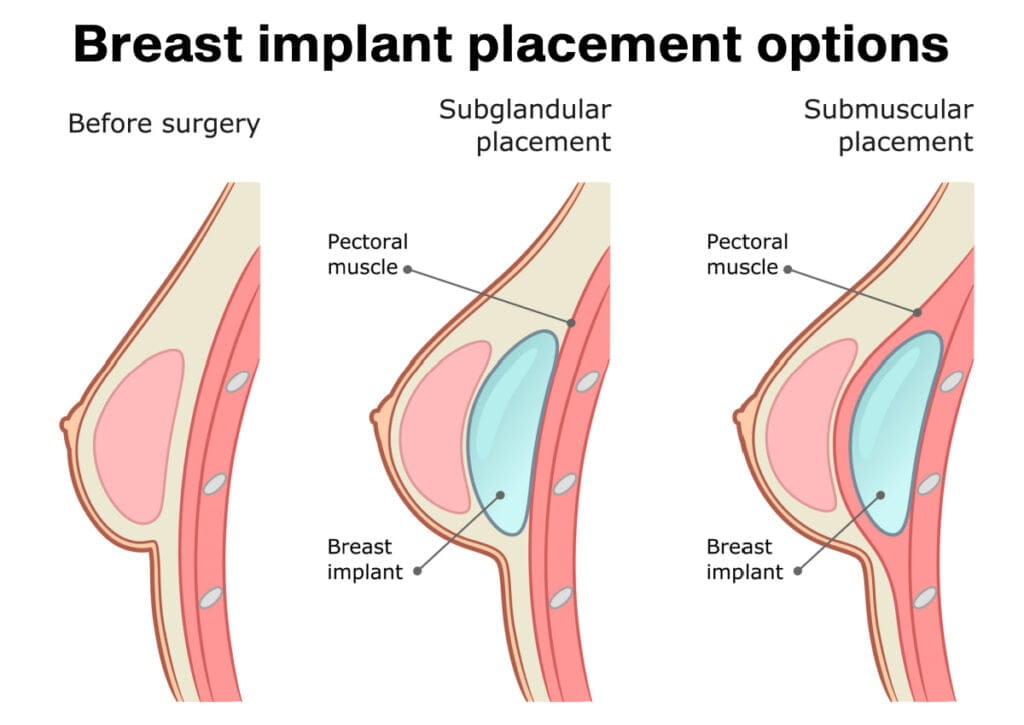
Breast Implant Placement
Just as implant size, shape, and style are all important factors, so too is implant placement, as it will affect the look and feel of your new chest. There are a few important factors to consider when choosing subglandular (over the muscle) vs. submuscular (under the muscle) placement:
- Your desired look
- Your existing breast tissue (amount and quality)
- Your anatomy
- Your preferences for breast augmentation recovery
Both placement options have their own advantages and disadvantages that must be appropriately weighed when deciding where your breast implants will be placed.
Subglandular placement (over the muscle)
In the subglandular placement method, breast implants are placed under the breast tissue and above the pectoralis muscle. By placing the breast implant above the muscle, a larger implant can be used because there is no muscle tissue limiting the size of the breast implant pocket. Also, the recovery time is typically shorter, with less post-operative soreness, because the surgery does not alter the muscle.
One drawback to subglandular placement is that when breast implants are placed over the pec muscle, the breasts may appear less natural because the transition from the chest to the breast is not as smooth. Also, the appearance of rippling and folding is more visible because there is less tissue covering the implant.
Submuscular placement (under the muscle)
In recent years, submuscular placement of implants has become the preferred choice among many surgeons and patients because of the natural-looking results that can be achieved. Submuscular placement involves placing breast implants underneath the lower portion of the pectoralis muscle, which can help reduce the risk of implant rippling and palpability, particularly in petite patients or those who do not have much natural breast tissue. Additionally, research has shown that by placing the breast implant here, the chance of capsular contracture is lessened regardless of the type of implant used.
One possible disadvantage of placing the breast implant behind the muscle is that a somewhat longer recovery period is necessary as the muscle tissue heals. Also, the size of the breast implant may be limited by this method. However, in the long run, many patients prefer the smooth chest-to-breast transition and ample implant coverage possible with the under-the-muscle method.
Learn the “ABCs of Breast Augmentation” with Dr. Branman on Good Morning ArkansasDr. Branman appeared on Good Morning Arkansas to share the “ABC’s” of Breast Augmentation: Assess your options, Become an expert, and Choose an experienced cosmetic surgeon.
- Key Benefits
- Glossary
- Improved upper pole fullness
- Proportional breast size for your body
- Better fit in clothing
- Highly customized
Silicone Implants
Silicone implants are filled with silicone gel, known for providing a natural feel and appearance. Many women prefer silicone for its soft, realistic texture.
Saline Implants
Saline implants are filled with sterile salt water. They are inserted empty and then filled during the procedure, allowing a smaller incision.
Implant Placement
Implant placement refers to the positioning of breast implants, either over the muscle (subglandular) or under the muscle (submuscular). Each placement offers different benefits and considerations for recovery.
Keller Funnel
The Keller Funnel is a specialized device used to insert silicone implants with minimal contact, reducing the risk of infection and shortening the incision length.
Capsular Contracture
Capsular contracture is a potential complication where scar tissue forms around the implant, causing it to harden. It may affect the breast’s appearance and comfort, often requiring additional surgery.
General Anesthesia
General anesthesia is used during breast augmentation surgery so that the patient remains asleep and pain-free throughout the procedure.
Incision
An incision is a small cut made in the skin to create a pocket for implant placement. Incision types vary and are often placed under the breast fold or around the areola.
Recovery
Recovery is the post-surgical period during which the body heals after breast augmentation. It typically involves a few weeks of swelling, mild pain, and limited activity.
Aesthetic Goals
Aesthetic goals are the patient’s desired outcomes for their breast augmentation procedure, such as achieving a certain size, shape, or proportion that complements their body.
Breast Implant Surgery
Breast implant surgery is a specific type of breast procedure in which implants are placed to enhance breast size and shape, tailored to meet the individual’s goals.
Consultation
A consultation is an initial meeting with a cosmetic surgeon to discuss options, review medical history, and create a customized surgical plan for breast augmentation.
Cosmetic Surgeon
A cosmetic surgeon is a medical professional specializing in aesthetic procedures, including breast augmentation, to enhance patients’ physical appearances.
Breast Size
Breast size refers to the volume of the breasts, which can be increased during breast augmentation surgery by using implants tailored to the patient’s preference.
Tissue
Tissue refers to the skin, fat, and muscle surrounding the breast area. The amount and quality of tissue can affect choices such as implant placement, as well as the final look of the breasts.
Breast Lift
A breast lift, or mastopexy, is a procedure often performed alone or alongside breast augmentation to elevate sagging breasts, creating a more youthful appearance.
Swelling
Swelling is a normal part of the healing process after breast augmentation, typically subsiding over a few weeks and revealing the final results gradually.
Hematoma
A hematoma is a collection of blood outside of blood vessels that can occur after surgery. In breast augmentation, a hematoma may cause swelling, discomfort, and possibly require additional treatment to drain the accumulated blood.
Vitals
Vitals refer to the key measurements of bodily function, such as heart rate, blood pressure, and oxygen levels. Monitoring vitals during and after breast augmentation surgery is essential for ensuring patient safety and assessing their stability throughout the procedure and recovery.
BIA-ALCL (Breast Implant-Associated Anaplastic Large Cell Lymphoma)
BIA-ALCL is a rare type of lymphoma associated with textured breast implants. While it is not a breast cancer, BIA-ALCL can develop in the scar tissue around an implant, typically presenting as swelling or a mass. Regular check-ups and monitoring are important for early detection and management of this condition.
The American Board of Cosmetic Surgery
The American Board of Cosmetic Surgery (ABCS) is a professional organization that certifies surgeons specializing in cosmetic surgery, including breast augmentation. Certification by the ABCS indicates that a surgeon has undergone rigorous training and assessment in cosmetic procedures, prioritizing patient safety and quality results.
Form-Stable Implants (“Gummy Bear” Implants)
Form-stable implants are cohesive silicone implants that retain their shape even if cut in half. Their firmer gel consistency reduces rippling and can provide a more predictable contour.
Cohesive Gel
Cohesive gel is a thicker type of silicone used in some implants, designed to maintain shape and minimize leakage if the implant shell is compromised.
Round Implants
Round implants distribute their fill evenly, often providing more upper pole fullness. They can rotate without changing the breast’s appearance, simplifying revision considerations.
High-Profile Implants
High-profile implants project more from the chest wall relative to their base width, creating a more pronounced and projected breast shape.
Dual-Plane Placement
Dual-plane placement situates the upper portion of the implant beneath the pectoral muscle while allowing the lower portion to sit under breast tissue. This approach can balance a more natural slope with enhanced cleavage.
Subfascial Placement
Subfascial placement positions the implant beneath the fascia (a thin layer of connective tissue) over the pectoral muscle, potentially combining benefits of both subglandular and submuscular approaches.
Capsulectomy
A capsulectomy is the surgical removal of the entire scar tissue capsule that can form around an implant, often performed when treating severe capsular contracture.
Capsulotomy
A capsulotomy involves incising or releasing the scar capsule around the implant without completely removing it, allowing for re-positioning or softening of the implant pocket.
Pocket Dissection
Pocket dissection refers to the surgical creation or adjustment of the internal space (pocket) where the implant will be placed. Precise pocket dissection influences final implant position and symmetry.
Acellular Dermal Matrix (ADM)
ADM is a biologically derived mesh often used to support implants, reinforce weak tissue, or assist with revision surgeries. It can improve implant stability and reduce the risk of complications.
Strattice®
Strattice® is a brand of ADM commonly used in breast surgeries. It provides a structural framework to support implants and can help reduce complications like bottoming out or malposition.
Galaflex® Mesh
Galaflex® is a synthetic, bioresorbable scaffold used to reinforce tissues during breast augmentation or lift procedures, providing support that is gradually absorbed by the body.
Mastopexy-Augmentation
A combined mastopexy-augmentation addresses both lifting sagging breasts (mastopexy) and enhancing volume (augmentation) in one surgery, improving shape and fullness simultaneously.
Fat Grafting (Autologous Fat Transfer)
Fat grafting involves taking fat from another part of the patient’s body and injecting it into the breasts. It can refine contours, add subtle volume, or improve implant coverage.
Auto-Augmentation
Auto-augmentation uses existing breast tissue, often rearranged or lifted, to enhance fullness without foreign implants. It’s frequently performed during breast lifts or reductions.
Symmastia
Symmastia, sometimes called “uniboob,” is a complication where implants are placed too medially, causing the breasts to merge across the chest and lose the natural cleavage separation.
Bottoming Out
Bottoming out occurs when an implant shifts downward on the chest wall over time, often due to insufficient support in the lower portion of the breast tissue or pocket.
Lateral Displacement
Lateral displacement refers to implants drifting toward the sides of the chest, which can create a wide gap in cleavage and less centralized fullness.
Revision Surgery
Revision surgery is a secondary operation performed to correct implant-related issues, address complications, or update implant size and type as patient preferences evolve.
Sizers
Sizers are temporary implants placed during surgery to help determine the optimal size, shape, and projection before the final implants are inserted.
Inframammary Fold (IMF)
The IMF is the natural crease beneath the breast. Proper placement of the incision or implant pocket at the IMF is key for a balanced, natural breast shape.
RipplingRippling is a visible or palpable waviness of the implant surface through the skin, more common with saline implants or in patients with thin breast tissue.
Ready to learn more? Read our additional articles on breast implants!
- Answering Your Questions About Paying for Breast Augmentation
- Which breast implants feel the most natural?
- Breast Augmentation 101: What Happens During a Breast Augmentation Consult?
- Breast Augmentation 101: Life with Breast Implants
Dr. Branman Discusses Breast Implant Options and Safety
Your Questions Answered: See Dr. Branman on Good Morning Arkansas
Video Transcript »
Host:
Welcome back to Good Morning Arkansas on this chilly Monday. I’m Beth Hunt, filling in for Barry Brand this week, and I’m here with Dr. Rhys Branman from the Cosmetic Surgery Center. Good to see you!
Dr. Branman:
It’s good to see you!
Host:
I’ve never done a segment with you, so I was excited about it. And I need to say congratulations because you were voted Best of the Best in Arkansas!
Dr. Branman:
Thank you very much! Yes, it’s really exciting to be voted Best of the Best in Central Arkansas as a cosmetic surgeon. It’s a highlight of my practice, and the staff is just elated about it. It’s just a really wonderful experience.
Host:
It’s quite an honor!
Dr. Branman:
Yes, and I just want to say thank you to all of the Central Arkansas patients and people who voted for me.
Host:
We appreciate having one of the best here in Arkansas on our show! So, you get a lot of questions at your office, and even after appearing on our show. We wanted to share some of those with our viewers. Let’s start with a question from Sharon in Bryant. She asks: “I’ve had four C-sections in the last 11 years and have excess skin around my stomach. I call it my apron. I’d be thrilled to get rid of it. It affects me in all areas of my life. What can Dr. Branman do for me, and how much would it cost?”
Dr. Branman:
Well, the cost is variable, but what I can do is called an abdominoplasty. It’s a procedure where we remove that “apron” of excess skin she’s talking about. It’s actually a fairly straightforward procedure, and patients can do it on an outpatient basis. We can also tighten the tummy muscles and sometimes even give them a cuter belly button.
Host:
I would imagine this is something many women deal with, especially after having that many C-sections.
Dr. Branman:
Yes, exactly. The C-section scar can cause the skin to adhere in certain places, and then the extra skin falls over that. We can get rid of that excess skin and even remove those C-section scars as well.
Host:
Great to know. Sharon, if you want Dr. Branman’s information, we’ll have that up in a moment. Next, we have a question from Deana in Little Rock. She asks: “I’m planning to have breast implants. Is the price based on the size I choose?”
Dr. Branman:
Absolutely not. The size doesn’t affect the price. The cost does vary based on the type of implant, though, because we use either silicone or saline implants. The prices for those differ, but the size of the implant doesn’t change the cost.
Host:
And people come in for a consultation, right? They can determine what works best for them?
Dr. Branman:
Yes. During the consultation, we’ll size them in the office. We have implants they can try on, placing them in a bra to get an idea of what they’ll look like before surgery.
Host:
Very helpful. Deana, there’s your answer! Now, Susan from North Little Rock asks: “I’m in the process of losing weight and know I’ll want my breasts lifted in the future. I’m only 28 years old, but I’m embarrassed because my breasts sag. Should I have a breast lift or breast implants, and what would the cost be?”
Dr. Branman:
It could be both. Sometimes we lift the breast tissue and still need to add fullness, so we place an implant during the lift. It depends on her needs, which we’d assess in a consultation. But yes, we can often do both procedures at the same time.
Host:
So, she wouldn’t need to come back for a separate surgery?
Dr. Branman:
Exactly. It’s all done at once, so she doesn’t have to return for a secondary procedure.
Host:
Good to know. Next, Mavis from Alexander asks: “My upper eyelids are very heavy and hinder my vision. Does insurance typically pay for this when it’s done for medical reasons?”
Dr. Branman:
Insurance coverage for this has become more challenging, but what she’d need to do is visit an ophthalmologist for a visual field study. That test will show whether insurance will cover it. If it’s medically necessary, the ophthalmologist can refer her to me. But many times, we end up doing the procedure without insurance coverage.
Host:
All right, good to know. Finally, Karen from Cabot asks: “I’m in my late 40s and have sagging in my lower face and neck. My jowls are droopy, and I have deep creases around my mouth. Is it too soon to consider a facelift?”
Dr. Branman:
If she’s experiencing jowling and neck sagging, it’s probably not too early. We do facelifts for patients from their mid-40s to their 70s and 80s. It depends on the individual. If she’s had weight fluctuations or other factors causing early sagging, a facelift could make a significant difference.
Host:
Karen, there you go! Thanks for answering these questions, Dr. Branman.
Dr. Branman:
Thanks for having me. It’s always a pleasure.
Host:
We’ll put your information on the screen. Dr. Rhys Branman from the Cosmetic Surgery Center on Executive Center Drive, Suite 100. For more information, call 501-227-0707. Have a great holiday!
Dr. Branman:
You too. See you next time!
Host:
Stay with us.
What is Breast Augmentation Surgery Like?
Breast augmentation is usually performed under general anesthesia on an outpatient basis at our accredited Surgery Center, which is staffed with experienced, qualified nurses and anesthesia specialists for your safety, or at a nearby hospital. The surgery takes approximately one hour to perform.
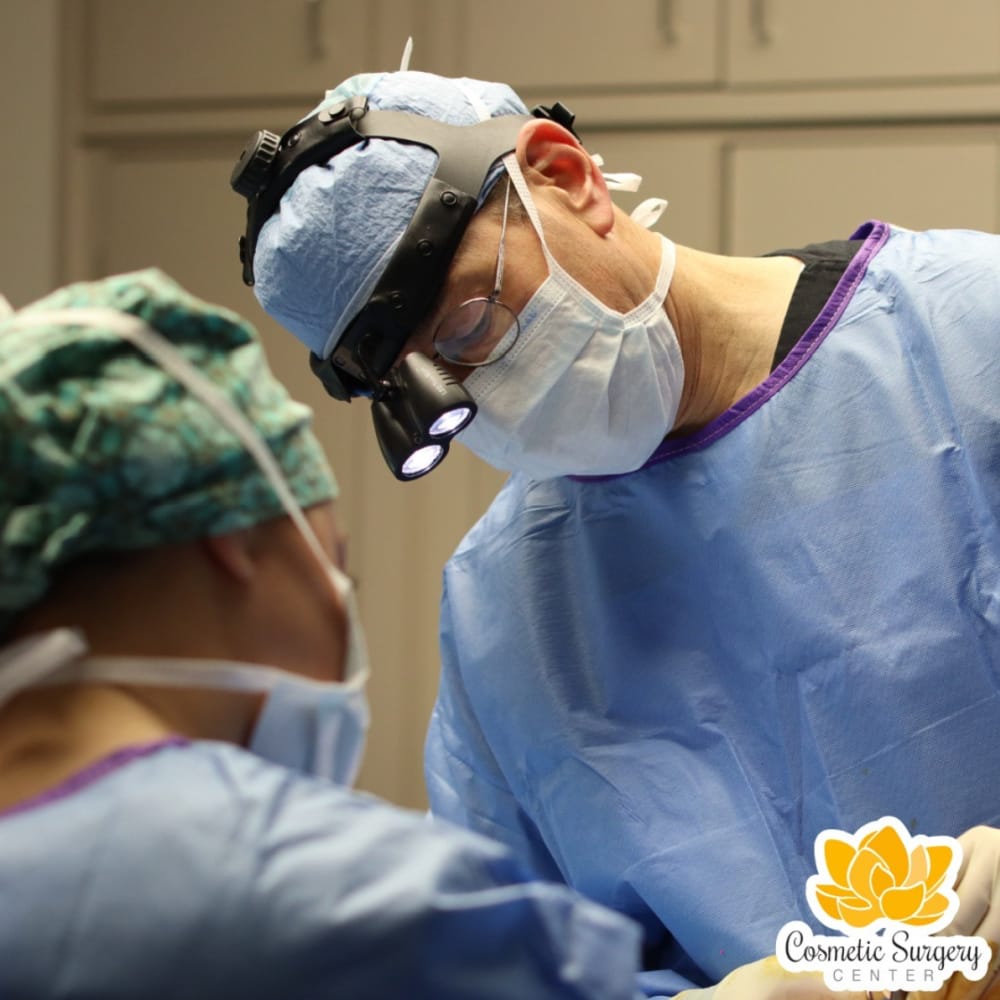
Through an inconspicuously placed incision, Dr. Branman will create a space for your breast implants and place them in an ideal, attractive position. Once the desired results have been achieved, he will suture and dress your incisions, and you will be able to return home after a brief period in the recovery room.
Recovery from Breast Augmentation with Breast Implants
After your breast augmentation procedure, some swelling, bruising, and minor discomfort may be experienced for several days after the surgery. Discomfort can be easily controlled with pain medication. For the first few days, you will need to take it easy. We recommend having a friend or loved one help you out with cooking, cleaning, and caring for children, as you will need to spend time relaxing and will be unable to lift your arms.
How will I feel after surgery?
Within several days, the gauze dressings, if you have them, will be removed, and you may be given a surgical bra. Your stitches will come out in 7 to 10 days, but the swelling in your breasts may take 3 to 5 weeks to disappear completely. You may also experience a burning sensation in your nipples for about two weeks, but this will subside as bruising fades.
When will I be back to normal after breast augmentation Little Rock?
You should be able to return to work within a few days, depending on the level of activity required for your job. Dr. Branman will advise you when it’s okay to resume exercise as well as other activities, including sex. Your breasts will probably be sensitive for a few weeks, so you should avoid most physical contact (and wait to have sex) until your breasts are no longer sore, usually 3 to 4 weeks after surgery.
Cosmetic Surgery Center: Rhys L. Branman MD
Frequently Asked Questions About Breast Implant Surgery
Am I a good candidate?
Good candidates for breast implant surgery are those who wish to correct a breast deformity or asymmetry, enhance their breast size, and/or improve the shape of their breasts. Good candidates should also meet the following criteria:
- Have realistic expectations of what breast implant surgery can accomplish
- Are in overall good health and are not pregnant or breastfeeding
- Are a non-smoker or are able to refrain from smoking for at least 2 weeks before and after your surgery
Do I need a breast lift instead?
Both breast enhancement procedures offer their own advantages and disadvantages. Surgery with implants focuses primarily on enhancing the size and shape of the breast, and will not alter sagging or drooping breasts. A breast lift focuses primarily on breast position and will not increase the size of your breasts. If you are looking for both lifted and larger breasts, consider combining your breast implant surgery with a lift.
What breast implant size options do I have?
Although other sizes are available, the most common implant sizes used range from 200cc (cubic centimeters) to 850cc. A larger breast implant will generally have a greater diameter and increased projection, and most implant types come in a range of profiles and base widths.
Can I ask for my breasts to be a specific cup size?
No matter what breast implant size you end up choosing, trying to estimate the cup size you will have after surgery is not a realistic objective. This is not only because bra cup sizes are widely inconsistent, but also because it is far more important to achieve the right proportions you are looking for, and cup size is not the most reliable measure for this.
That said, talking to Dr. Branman about your desired cup size may serve as a useful way to share your general goals. Dr. Branman will take your preferences into consideration to help you find implants that achieve the characteristics you like in a way that looks great on your body.
Can silicone implants rupture?
While implant rupture is rare (it affects less than 10% of primary implant patients during the first 10 years), both saline and silicone implants carry the risk of rupturing. If a rupture does occur, the silicone in modern silicone implants is almost always contained in the breast implant pocket (also called a “capsule”) due to its thick gel consistency. Because most patients do not experience any symptoms in the event of a silent rupture, it is important to have routine MRI screenings conducted to ensure your implants are healthy and intact. Furthermore, studies show that rupture risk begins to rise more quickly after a patient’s first 10 years of augmentation, which is why we recommend that patients schedule follow-up visits with Dr. Branman every 1-2 years and consider replacing their breast implants about every 10-15 years.
What will my breast scars look like?
Scars will be firm and pink for at least six weeks. They may remain the same size for several months, or even appear to widen. Soon, your scars will begin to fade, although they will never disappear completely. Depending on your age, you should continue routine mammograms after surgery, which have been determined safe and effective for women with breast implants.
Can I breastfeed with implants?
The vast majority of breast implant patients have no issues with breastfeeding later on. However, implants can occasionally impact breastfeeding for some, depending on the type of implant and technique used. If there is a chance that you may eventually have children, it is important to discuss this with your surgeon during your initial consultation.
How do I pick the best Little Rock breast augmentation surgeon?
When it comes to choosing the right surgeon to perform your breast surgery, don’t compromise! It is important to choose an experienced, board-certified cosmetic surgeon like Dr. Rhys Branman. As a member of the Arkansas State Medical Board with over 30 years of experience, Dr. Branman understands your concerns and takes every measure to ensure your safety, comfort, and happiness throughout your journey.
What is the plastic surgery process like?
In this video, our very own Registered Nurse walks you through the process – from prepping for surgery through your full recovery. For more information about surgical procedures at our surgery center, please watch our general surgery video.
“The procedure went well and recovery was easily accomplished without extreme pain. And my breasts are well now and they look great. And although I have minor pain still nothing I can’t handle. I understand only takes time to get maximum outcome. Quick recovery and great follow up from the Branman staff.
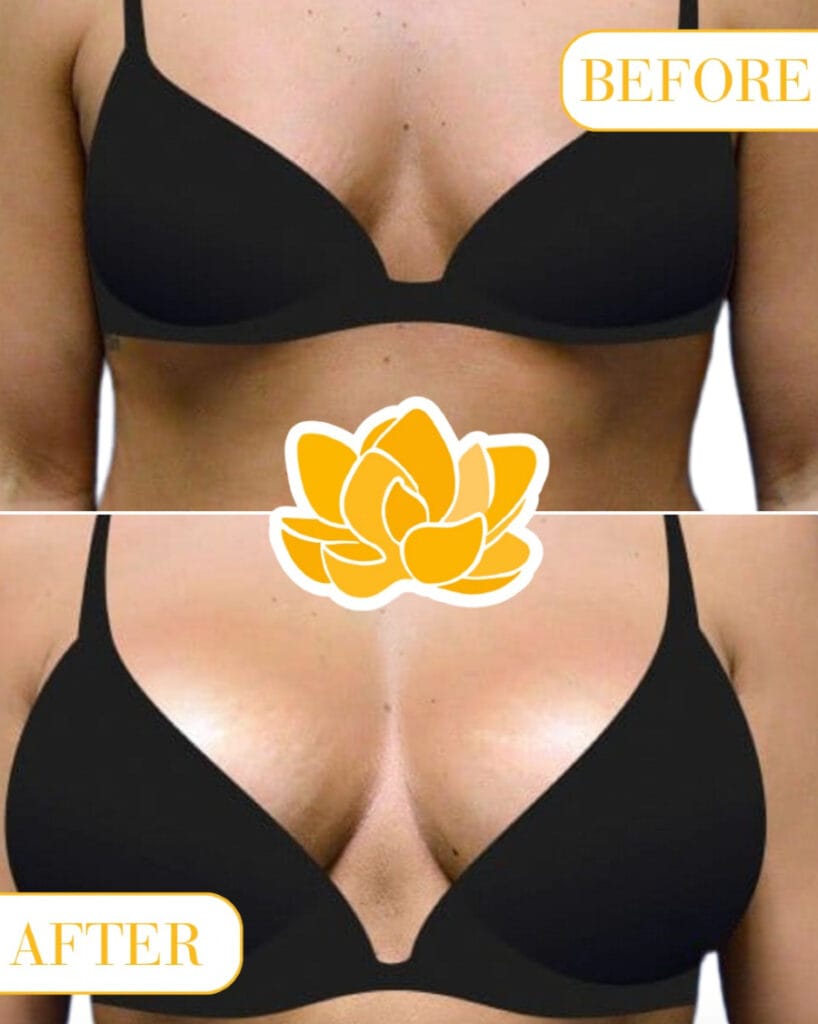

If you have questions or would like to learn more about your options for surgery, we are here to help. Contact us to schedule a consultation with board-certified cosmetic surgeon Dr. Rhys L. Branman at our Little Rock Cosmetic Surgery office. Dr. Branman has been helping Little Rock, Arkansas breast augmentation patients since 1998 meet their cosmetic goals, and he would be happy for you to come in for a consultation.